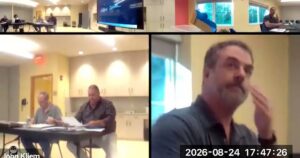
The Board of Assessors on July 14 approved a third‑round motor vehicle and trailer excise commitment totaling $140,451. It rejected a proposed change that would have stopped billing owners of small personal property accounts to save on postage.
The panel voted 4‑0 to sign the warrant, sending the excise bills to Treasurer‑Collector Lily Nguyen for mailing on July 18. Nguyen had asked the board to study whether bills could be withheld from businesses whose taxable equipment is assessed below $10,000, $5,000, or $1,000. Principal Assessor Robert Leroux calculated that the town would forfeit between $201 and $7,177 in revenue while saving at most $66 in postage costs. “If we’re going to do all the work, we might as well send a bill and not cost the town revenue,” he said.
Ventress agreed the math did not add up. “The savings of like $66 or even $300 just doesn’t feel worthwhile,” he said, and the board informally shelved the idea.
Instead, members asked Leroux to keep exploring broader efficiencies. He told the board that mailing first‑ and second‑quarter real estate bills together and doing the same for third‑ and fourth‑quarter bills could save more than $10,000 a year as stamp prices rise to 78 cents. Electronic billing might trim costs further, but Nguyen must determine whether state law or a Town Meeting vote is required to let residents opt in, Leroux said.