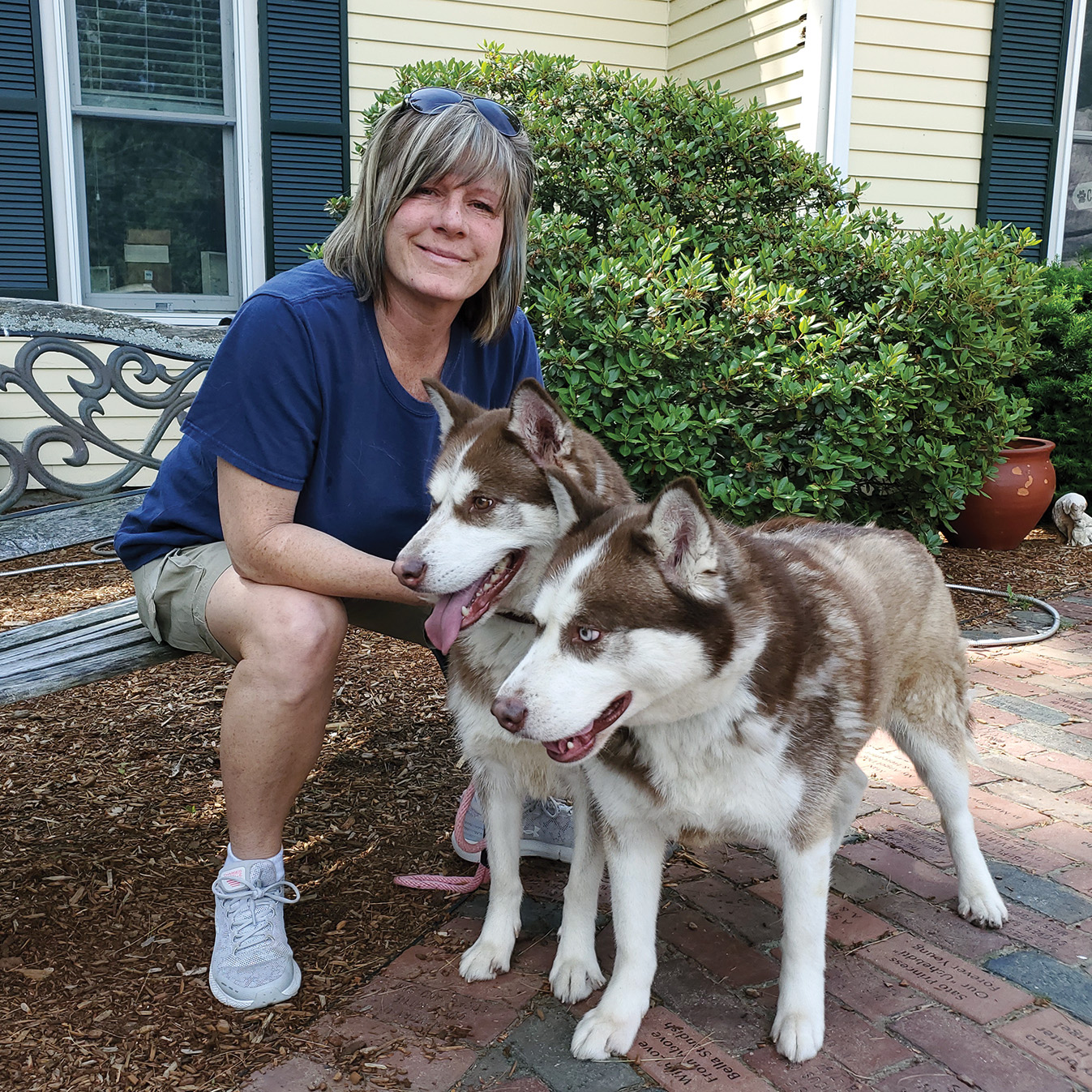

Almost every day is dog day afternoon for Jennifer Condon, the animal control officer for eight towns including Wayland, where the biggest animal-related problem is professional dog walkers with hordes of pets in tow.
When someone calls their local police to report a stray pet, a dog bite, or a sick or injured raccoon – or even a DUI arrest when there’s a dog in the car – the police in turn call Condon, who drives out to deal with the problem.
“If anything pertains to an animal, I’m on scene, domestic or wild,” said Condon, who is also the animal control officer for Concord, Hudson, Lincoln, Maynard, Northborough, and Southborough.
Condon owns Boardman’s Animal Control, which has one full-time and one part-time employee in addition to her. She inherited the business from her father, who was also a multi-town animal control officer. As a senior state animal inspector, her job also includes inspecting barns and livestock to make sure the animals are healthy and well cared for.
Her 24/7 day starts at 6 a.m. when she does “roadkill run” in some of her towns. She’s able to remove a dead deer from the road with a winch system on her truck, and sadly, she sometimes has to humanely put down animals who were hit by cars and are still alive but badly injured (she’s licensed to carry a handgun for this purpose).
One of the more common calls Condon gets is for stray dogs and cats. “Dogs love me — they just come running up to me,” she said. Cats are harder to corner and she usually doesn’t try unless they’re sick or injured, in which case she transports them to veterinary emergency care. She checks each pet for an owner’s microchip, but if it doesn’t have one, it goes into her kennel for seven days, after which it goes to a shelter.
Therein lies the rub.
“You can’t be an animal control officer and not love animals,” she noted.
On more than one occasion she’s adopted an animal who wasn’t claimed. At the moment she has five dogs, including a Bernese mountain dog and a golden retriever who was found covered in paint by its previous owner, who had mental health issues. But that’s not all — her household also includes 13 rabbits, 36 chickens, two goats, two cats, birds and a ferret.
“When you have to hold onto an animal for seven days, sometimes you fall in love,” she said.
Condon does most of her field work when residents make animal-related calls to police, or the police call her themselves. She’s had to take charge of animals when police find them neglected or abused in cases where police deal with car accidents, domestic violence or drug abuse, elderly owners who can no longer care for their pets, deaths, or house fires.
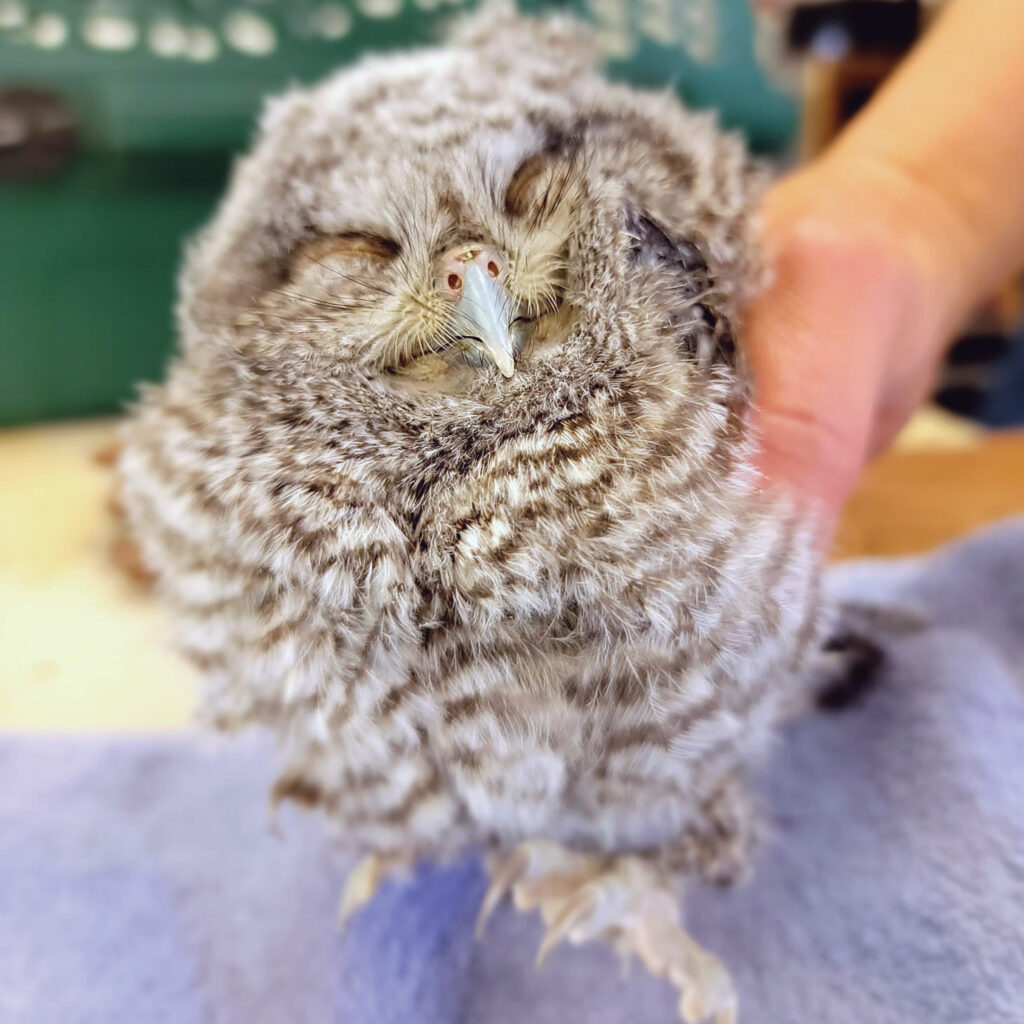
Some of her more memorable cases haven’t involved pets. Condon was once chased down by a bull in Northborough, and she used to try to catch bats and other wildlife inside homes, though those calls (as well as calls about injured or apparently orphaned animals outdoors) are now referred to a pest control service or a wildlife rehabilitator. The state maintains a list of rehabilitators and information on what to do if you find a wild animal that might be sick or injured.
There’s no such thing as a typical day, and the variety of calls keeps the job interesting. A week in summer might include calls about a dog attack, a suspected rabid raccoon, a loose animal, a lost cat, kittens dumped at the side of the road, and a “dangerous dog” hearing with town officials (dogs that are deemed dangerous must go into an immediate 10-day house quarantine).
“My mind is so open that nothing surprises me,” Condon said.
Fortunately, she’s never had to deal with a rabid dog, though her father did. Condon is allowed to shoot an animal suspected of having rabies if it’s obviously preparing to attack, but she can’t shoot it in the head because the brain needs to be intact for post-mortem testing. Suspected dead pets (cats and dogs) with rabies go to a vet, but for a wild animal, she has to decapitate it and send the head by courier to a state lab in Boston.
Winter means things are quieter for Condon, since people and animals tend to stay inside and out of trouble. In contrast, during the pandemic, she had more calls than she and her two employees could handle.
“Everyone went out and got puppies, but most of these dogs weren’t socialized,” she noted. Once they and their owners rejoined the outside world, the dogs were aggressive against other people and animals or were neglected when their owners went back to the office.
In cases of neglect or mistreatment, “I’m very honest and very direct,” Condon said. “I’ll work with people, but people need to work with me in terms of fixing a bad situation.” Sometimes, however, owners have threatened her when confronted. “People are very protective of their animals, even if they’re bad people.”
While Wayland has been “fairly quiet” lately, Condon said she’s gotten many calls over the years about people who were walking a dozen or more dogs and/or letting them loose on conservation land. In fact, one of them was someone she had just busted for doing the same thing in Sudbury. “I told them, ‘Guess what? The same rules apply over here’,” she said.
The issue was discussed at a Conservation Commission meeting on Oct. 29, when Conservation Administrator Linda Hansen said there had been “a huge uptick in professional dog walkers” in several parks around town. Someone walking half a dozen dogs is not unusual, “but we had one dog walker last weekend with 14 dogs off leash,” she said.
One of the walkers Hansen confronted “was just completely noncooperative. They had no interest in even learning the rules, which are three dogs and only two off leash.” Another offender had seven dogs with him, “and he didn’t have a poo bag on him, so he didn’t even clean up after his dogs — that hit me more than anything.” Also, dogs forced into a tight group like this often form a “pack mentality” and go after other dogs and people, she said.
While the rules are clearly explained on the department’s website (see tinyurl.com/wayland-dogs) and Hansen has the power to fine rule-breakers, “I just wish I wish we had a little bit more teeth to keep this from happening,” she said, noting that neither the Conservation Department nor the regional animal control officer has time to routinely patrol for miscreant dog-walkers. ConCom member Shannon Fischer even offered to stake out Heard Farm during the midday hours when offenses most often occur and take pictures of offenders’ license plates.
As for misbehaving dogs in general, Condon stressed the importance of proper training. She often refers people to professional dog trainers and approved dog day care centers — they can call her office at 978-897-5596 office or email admin@boardmansanimalcontrol.com.
In an animal emergency, Condon advised people to call the police, who will immediately contact Condon and respond as needed. For injured wild animals, the state Division of Fisheries and Wildlife maintains a list of wildlife rehabilitators that people can call.