
September 3, 2025 – 212 Cochituate Road Advisory Committee – Video & Transcript
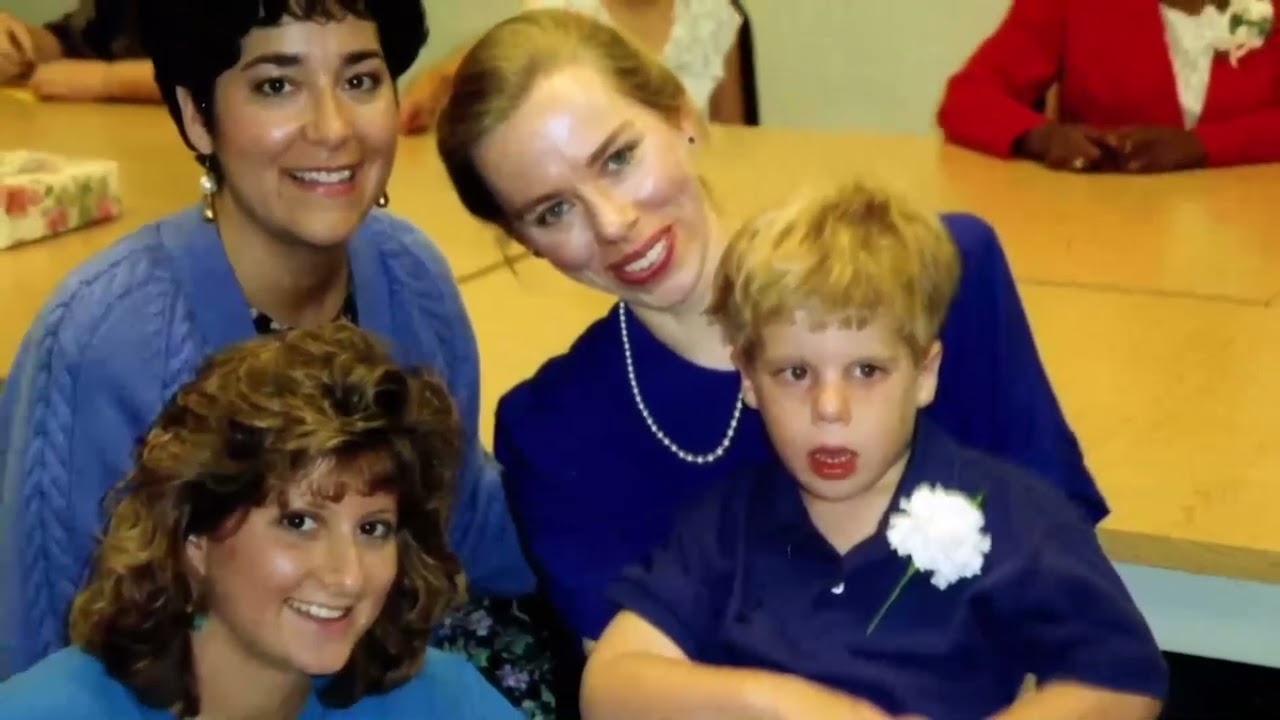
September 3, 2025 - 212 Cochituate Road Advisory Committee
Unknown: Yeah. three. Are.
right? Yeah. okay. good enough.
Yeah. alright. so
Tom Fay: I want to commence the
meeting of the 212 Cochituate
road Advisory Committee. 630 on
September 3. 2025 like to
welcome everyone here this
evening. for those that are in
this room and those that are
with us online. just to begin
like to review the agenda for the senior director wall of meeting the fire room. People can watch this meeting remotely with length. and it will be available on WayCAM as well as it is being recorded. we invite people to give public comment. if they like public comment. Two Minutes joining us tonight in person are John Thomas Dean. Milgram and Bill Adams. I'm Tom Fay online. we have Stephanie Lynch and anyone else online. Robbie besides Stephanie. others that join us. An eye out for them and bring them over. Yeah. I'd appreciate that possibly Bill Whitney will join us. and possibly Mike Steve will join us. So after we listen to any public comment. we'll welcome persons from the high spirit East community. as well as high spirit Community Farm. high spirit east and related organizations to talk about their work. and this will include the presentation of a film. which would be approximately 45 minutes in length. After that. we'll have discussion on their organization and work they do invite questions from members of the committee. Once that portion of the meeting is over. we'll consider minutes from our last meeting. August 6. After that. we'll discuss proposed Request for Information persons organizations involved in shared living opportunities. and then after that. we will likely adjourn. So at this time. like to invite anyone who would like to give public comment to step forward. Seeing none anyone online. Like to give public comment. I see no one online. great. So at this time. I'd like to invite Catherine Stanley to step forward and tell us about your organization. organization and related organizations. and thank you for coming this evening and how we'd like to proceed in your perspective this evening. Sure. thanks for Unknown: having us. Really appreciate it. I'm the president. co founder of the board for high spirit East community. We're connected to Bob and Jailyn Swain and Jai Wallace. who are here tonight. and because they have the first high spirit Community Farm in green Barrington and I found out about their model through a friend. and they've been mentoring me and sharing that model. and we're building a similar model. but in eastern mass and Metro West area and hopefully Wayland. So that's why we're here tonight to share a movie about. you know. their experience. and why it's a little different than other models. Mama. a mom of a special needs child who's 22 at history and Paul. so we're building an accessible community in the high spirit model. Tom Fay: Yeah. well. I invite you to proceed. I think you want to start on the movie. Is that right? Unknown: I just want to also say that Angela and Mark Charney are here. and David Stanley and Ada. and they're all part of high spirit East as well. Bob swan is well. I'm happy to introduce the movie Tom. that's all right. yeah. thank you for having us just a good spot to stand super spot. And I have written this out so I don't miss anybody's name. and I'll make it brief. I'll be within my two minutes. Thank you for giving us this time. We are honored to. Here and to share our story with you. I am one of the people who founded high spirit Community Farm. a small community for adults with intellectual disabilities and autism. At high spirit people find meaningful week work. supportive friends and a welcoming community. In a few minutes. we'll be showing a film where you will learn much more about high spirit Community Farm and why we need. needed created here. My wife. Ginny and I are parents of bar Swain. who's featured in the film you'll see Tom Ginny is here with me this evening. We're also joined by others that have been vital to high spirits work. Jay Wallace. a board member for more than 10 years. has given countless hours to making high spirit thrive. Leslie Eshelman. long time house parent at high spirit plus he now serves as the executive director of high spirit advisory advising families who are looking for solutions for their adult children with disabilities. Plus his husband. Derek. is on the board at high spirit community farm. We are here tonight to support the vision of Catherine and the high spirit East team. including David. Stanley. Angela Christoffel and Mark Charney. who are here with us tonight together. they are following a model that of high spirit to create high spirit east. a place where adults with significant disabilities can live in the least restrictive environment possible. High spirit east will support them as they spend their lives with meaningful work. friendship and a part of a community where they truly belong. Wayland. we believe is the ideal home for high spirit. East your town is known for its spirit of community. where neighbors know each other and come together for events and activities. We want that for our people. We want that for everyone. Finally. I'd like to thank Billy Parker. who made this film. Billy is here tonight. Before the pandemic. He asked if he could come film at high spirit. We agreed. and the result is what you'll see tonight. He calls it a documentary. I call it a love story. Billy is here with us. and I hope this film gives you a true sense of what high spirit is really trying to achieve. We'll all be available for questions after but enjoy the movie you
Tom I mess with the Shays. By all means. ladies and gentlemen. we're
here today to recognize the LTA achievement. these athletes Coming in second place. Mike Whitney in first place. I
i Every year. hundreds of 1000s of American adults are left behind. penalized. in fact. the very moment they reach adulthood. Bar Swain could have shared the same fate. if not for the persistence of his parents and others. This is his story toward a better path and brighter future.
My son. bar. was born with a severe intellectual disability. He had club feet. He has scoliosis. He had very low muscle tone. and our initial diagnosis was that he would never walk or talk.
There's no genetic anomaly that we can find. and there's no other significant health diagnosis. He doesn't have a diagnosis. At first. it was really frustrating for me. I wanted to be able to know so I could go to the library and look it up if he just had Down syndrome. I would know what their trajectory was.
Those first few years. you go to every specialist to figure out what surgery or what what pill can we take to fix this? This person has not been built to specifications. and we know how to fix that. He was getting therapy all the time. and nothing seemed to really be working. and they finally just had a counseling session with me and said. you know. what do you want us to do? And I just burst into tears and was screaming at them and saying. I want you to fix him. And. And they didn't really know what to say. because they can't fix him. and they were just dealing with my sort of stages of grief. Bob was much better on that than I was. He's much better on this. Is the way it is. I would say I always thought we were leading to something. and I would say Jenny always thought we were surviving. I think it was just I wasn't able to sort of be joyful in life and connect with people. sort of spending much of the week going in and out of hospitals and therapies. I think the guilt is the probably the piece that breaks up families the fastest. Like. what did I do to cause this disability in my child? Or. what did my wife do to cause this disability in my child coming out the front door? You Swayne. alias
Cowboy Bob. Hey there. Cowboy bar spent most of his early years at home. and he was soon joined by his sister Molly. And while he had a rich home life. his parents decided that for him to develop. he needed to be among peers. and he went to Franciscan Children's Hospital. It was very much a hospital setting. Didn't feel normal at all. He would be surrounded by three or four therapists. He started to think that women aged 26 were like there to serve Him. So we went back to Cambridge and said we'd like to have him in with his typical peers. And Cambridge said no. and then we went to court. We had a settlement. and they agreed to take him in public school. And we're very. very lucky to find a principal in Cambridge who welcomed us wholeheartedly.
In my town. in my elementary school. students with disabilities were never seen. They were in the basement. Those kids came to school after we did. They left school before we got dismissed. nobody ever talked about them. even though a lot of questions like. Who are those kids? We never see them. We know they're there. We hear them. I can remember thinking to myself. Wow. those kids must have something terrible that if you have contact with them. you'll get in many ways. we were taught to be fearful. Some of our understanding about people with disabilities is out of ignorance and not out of knowing them as people who have feelings. who want to belong and contribute in some way when we presume that they can't. They never do because no one bothers to disrupt that expectation and those kids saying. What have I done wrong if we can't have kids together when they're five years old. when can we because that is when the developmental differences are at the at the smallest that they'll ever be. And I think that's the story of Bar. Bar participated in every one of our programs. playing with blocks. painting. being in the dramatic Playhouse. things that were shared with typical peers who didn't know what Barr's IEP said he was one of them. I think those kids weren't scared of bar and are probably not scared of that difference ever since he loved his classmates who were sort of naturally care giving us. Most kids are the kids were great. Come on. bar. let's go down. We're gonna have lunch now. and we're sort of mother hens. When he got to the classroom. he did not walk. He drooled quite a bit. and kids don't really like to be around somebody who's drooling all the time. so he stopped drooling. The same thing happened with the walking. So he's able to crawl and make very slow progress. and everybody goes out to the playground. but then he wanted to get up. and within six months. he was walking. So bar had already exceeded by a lot the low expectation that he could walk. let alone the academic and social gains the kids. Man. no problem. Give me the kids any day. It was the parents. because their experience was actually not this. Their experience was similar to mine. Was important for all of our kids in terms of their view of the world. not assuming that people who can't run as fast as you can can speak as well as you can. that there's. Still capable. It was really the significant transformation of a school community. We were known well beyond Cambridge for what we stood for. We helped people uncover their biases and build new ideas for what it meant to be different. I learned a lot from bar
taking a picture.
JT as a
family of four. and then when Henry was born a family of five. it was very bar focused in wonderful ways. Being bars brother absolutely shows up in many of the ways that I see myself in the world and the ways that I interact with other people. It's something I'm really grateful for. that I have this inherent belief and understanding that relationships are built around empathy. I think I learned about difference young in life in ways that others take a lifetime to know or maybe never know. and my best friends as a kid were family and my neighbors and my neighborhood crew was so core to who I was and my school friends were school friends. I mean. those things were totally separate. I have thought many times that that sort of privacy wall comes from an early age of not sure how to share this piece. So I remember people finding out way later that she had a brother with a disability. and thinking that they would all know and they didn't. But wow. there was so much love. And I saw that expressed a bar. I felt that in every way we have really made all of our decisions based on how does that tighten our tight little family community. How does it tighten our broader friend group and how do we expose ourselves to the rest of the world? As time went on. school became much more of a struggle for bar inclusion works for a lot of people. I think the whole way through. I think for people with challenges such as bars. other kids start to have inhibitions. The care giving kids are less caregiving. and the curriculum is really disruptive by having someone who has no idea what math is or what geography is. Eventually it was clear that wasn't working anymore. and we went to look at schools for children with special needs. Tom. he ended up in a collaborative which was supposed to still be inclusion. but it really ended up being sort of a resource room down at the end of the hall. It was a little tiny classroom with concrete walls. and they wouldn't even let the kids in that classroom go to lunch at the same time as other kids were having lunch. Bob and I were just thinking. this is the best we can do for this kid. how incredibly lonely and boring
the Swain family was about to undergo a momentous change. Bob and Jenny were facing one of the biggest decisions of their lives. sending bar to the Camp Hill School in Pennsylvania. He was the biggest part of our tight family. and he was what we all did. So to have him go away to school was absolutely not in a million years. Would that be something that would be okay? And Jenny dragged me down there to look at it. We both loved it. That wasn't the problem. It was just. could we really send a little 13 year old kid. let alone a developmentally disabled 13 year old kid to boarding school in Pennsylvania? Just. just crazy. I just remember dropping bar off. and we were asked to leave pretty quickly. and we weren't come back for a month. We just got in the car and Bob was sobbing. I drove all the way back. and he just cried for six hours. It was just awful. But there was definitely more of me saying. Okay. now we have two other kids at home. and this is their moment. Well. they've been asked to be quiet and independent for 11 years for my daughter. but it's time for us to be with them.
Hi. perfect. Matthew. very nice. I'm very
impressed. Only like two months since you've been here. Yeah. The Camp Hill School is part of a network of Waldorf schools that originated in the Moors near Aberdeen. Scotland. It was there that an Austrian physician Carl Koenig. influenced by Rudolf Steiner. Started a school and then a series of villages for children and adults with intellectual disabilities. He was part of a group of Jewish intellectuals and educators who had been driven out of Vienna by the Nazis. It really started through this group of people being unprepared. and Carl Koenig and his wife Tiller having to teach people. and not just how to teach people how to teach people how to how to work with children with disabilities. but these were intellectuals. So they didn't shine their shoes. they couldn't do their laundry. they couldn't cook. They certainly never farmed. They were torn out of this cosmopolitan intellectual. artistic center of Europe and thrown into this hillside with nothing around but sheep and Bracken in every direction you looked in every sense of the word. They were refugees. They were torn out of their culture. They were torn out of their language. They were strangers in a strange land. The founding circle of co workers realized they had a lot in common with the children for whom they were caring. who were refugees in a different sense from a society that didn't have space for people with special needs. Children with developmental disabilities may have no access to schooling if they were not living in their families. kind of hidden away. They were institutionalized in places that best took reasonable care of them. If there was no notion of development. institutional life was the best that anyone could hope for this approach of actually living and working with children with disabilities. The idea was that that disabilities could be remediated and that there could be growth. You would apply arts and education. I mean. almost as nutrition. to sort of feed a child's soul. We weren't just looking at the physical body or a broken mechanism. and you're really looking at the energy. the life force. that is in the human being.
You what soon came to be known as the Camp Hill experiment flourished. and after World War Two. it had become more of a movement. There are now over 120 Camp Hill communities worldwide. and 15 in North America. including the school where Barr found a home when this location opened in the 1960s it was a stark contrast to most of the institutions for people with disabilities that were painfully similar to the grim Victorian institutions from the previous century. The people who started those hospitals certainly wanted to create a comfortable life for the people who lived in them. but they also wanted to build a larger society in which people with disabilities would play a smaller and smaller role. People were being segregated at the lowest possible cost to the larger society. The people who created those hospitals were the same people who invented IQ tests classifying people you wound up in one of those hospitals if you fell out at the low end of the classification scheme. and you were there in large part to keep you from reproducing. as well as to keep you safe and fed. The classic institutional paradigm this group of people is being paid to take care of that group of people was fully in force. Those are the only two groups of people present in these hospitals that is always dehumanizing no matter how charitable the intentions of the caregivers. They will not see the other person as fully human if they regard them exclusively as an object of care.
The typical landing places for people with disabilities through most of the 20th century continued to be these large institutions. many of them rife with neglect and abuse. The disability rights activism in the 1970s turned a light on these abuses. forcing most of them to shut down. But the timing was unfortunate. so just at the moment when society is saying our whole approach to people with disabilities has been wrong. and we need to create something radically different. You have powerful policy makers saying we need to reduce government expenditures no matter what. and large mental hospitals were shut down without a clear idea about what's going to replace them. Sadly. nothing has really replaced them. and almost all of these patients simply went home. And that has been the fate of the vast majority of adults with intellectual disabilities ever since because
we are on a circle too much forward you cover the people there on the other
side who is willing to do like here? Yeah. so you go there. Okay. just a sec been
doing this for some. Many years.
The Camp Hill School today has 70 elementary and high school students and is a well established destination for children with disabilities from around the world. What we are looking for is to nourish the inner soul of the child. not only how to function. but how to be and to grow as a human being. And some of this substance. if it's brought in the right way. awakens the children to the world in a very different way. The loveliest thing that I remember about bar is his warmth and his appreciation for people and his longing to communicate. I recall his need to really learn how to work. He was not somebody who naturally went towards work. He would rather be social. I think bar kind of likes to be the wheelbarrow guy. That's his reputation. He had to get there. though. Let me put it that way. It's the first point where we can see bar can learn to work a wheelbarrow and work in a garden and be a member of a working crew and get joy and pride and satisfaction out of doing so bar could contribute. and that was really the first time in his life that he'd ever been a contributing member of the community. and that was Huge for him.
All right. All right. Show us how you want to stand. Audrey. how do you want to stand? Yes. you stand in front of the chair. How do you want to stand now. look at Michael and show him that you're a 12th grader. Yeah.
Look at me. Chin down. down here. Too much. I
Fay. as with other high school seniors around the country. graduation is an exciting rite of passage for the students at the Camp Hill School. since college is not an option for most of them. and alternative landing places are hard to find. Camp Hill started a transition program down the road called Beaver farm. Mama's always telling me stop driving sugar trap people's ears off. then they want to step away and talk to someone else. Oh. wow. You could call it sort of like a college for 18 to 21 year olds with special needs. But that really focused on life skills. programming. social programming. vocational programming. we could really scaffold those experiences. So did you pick some of these flowers? Yeah. six. Did you pick? Help pick some of these flowers? Colin with us? Yes. yeah. we harvest them in the spring. in the fall. Never.
We have gardens that grow green stuffs that we eat. We have commercial cut flower gardens. We have field crops for our livestock. We breed and raise beef and pork. We have a herd of sheep. We have chickens. We have hens for eggs. The students are involved in all of that. The production of food and the consumption of beautiful food together in social settings is also a large part of what we do. we have very independent people who are academically independent. physically independent. very verbal. And we have people who need physical support to take them from A to B and we mix them together. It's not such that high functioning ones are doing special things and the rest doing something else. No. we want to. We want to work together as a team.
Bar spent four happy years at Beaver farm and graduated when he turned 22 but turning 22 isn't the same for everyone. For too many of the young people who graduate from Beaver farm. Life goes on. but the music finally stops. All across the country. education. vocational training. therapies and other supports that schools have been providing since childhood come to an end. These students have spent years in a community of enrichment and meaningful work. and then they commit the crime of turning 22 if you graduate from our program. and you're gone for four months and you've gained 50 pounds. and you don't have a program. I think it's a neglect. I think it's a neglect they've been looking forward to so much of coming to that age of graduation and moving on to the world. life should be full of excitement. And then they leave the school system when they graduate from the farm. And for many of them. there's nothing out there. They've needed all that support. They've had therapies. and they've had IEPs and all that. And suddenly. now. you know. Need any support. you'll see people that have had severe behavior issues when they first came to the school. They may have been self injurious and biting themselves and biting themselves. biting themselves so that they're scarred. and banging their heads against the walls. They may have been aggressive towards. you know. other students or staff members. You see these people. they've been able to sort of work with those things and become really socially integrated. really caring people. and then they leave. and they're with unskilled staff that are paid very poorly. that rotate very quickly in group home settings where there's not very much for them to do. where they're unlikely to have. you know. any kind of meaningful employment. And the behaviors come back. The families go through this continual mill of trying to find placement after placement and the group homes torn apart. I mean people that you could happily live with and share family life with. and they're kicking holes in the drywall and smashing the TV set. Many of the students that I first worked with years ago are now in their 40s. and I've outlived a significant number of them. inactivity. bad food choices. heavy medication. diabetes. obesity. all of it unnecessary. The kind of rich community life that is multi layered and really supportive is not something that was supposed to provide for adults. because it's regarded as being institutional. The notion that you would have people with intellectual disabilities living anywhere near one another is anathema to kind of modern policy and modern academia. They're not allowed to live together. work together. They're going to receive government funding. and some people need a lot of help and scaffolding. And how do you make sure that you get the regs out of the way so that you can build community. Community is based on deep. loving relationships with other human beings. So we're gonna care about you across a broad span of time. You become part of their story. and they become part of yours. That's something that we're good at. and it's something that is relatively easy to do. that legislation is stopping it from happening. and that's kind of a tragedy. You kind
of a tragedy back at home. Bob and Jenny knew this all too well. and their research led them to one dead end after another. the metrics of turning 22 are really terrible. In Massachusetts alone. there were a backlog of over 170.000 people who were living at home because there were no options available to them. And it's daunting for all parents. Every parent meeting after about age 15 people see they're 22 on the horizon. and they're so afraid for their child. you can advocate for some services. but they're very hard to come by. Could you take something like the transition program at Beaver farm. which is funded by local education authorities at school still. and could that be a prototype for adult living? Because that would be the real thing. I mean. could you do this with adults? The short answer to that question is yes. While bar was still at Beaver farm. Bob and Jenny teamed up with other parents and spent years laying the groundwork for what has become high spirit Community Farm. a work life pilot program. It doesn't have the acreage or production of beaver farm. but it does have its own cast of characters. There's honey and butter. cookie and monster. and of course. people. where do you think you're gonna go to a playground? I get
Okay. so this one was from Bill Adams: when you were in Florida. So what should we say Unknown: to dia? It says Tom Fay: Happy Birthday to you. I love mom. and you can put will or Willie. Which one. which one? Unknown: You tell me. well. we only will on this one. Okay. I just did it really. May I asked about questions. information. names. yep. yep. Your oldest child's name is Harry. He was born on January 15 to 1999 1995 it's 95 Sunday. the day before Martin Luther King. doing younger brother Jack. He was born on August 8. what year 1999 23 is coming up this month. August 8. I think it's 24 maybe it's 20 You're right. It's 23 congratulations. Always. Never forget. I will never forget. I like you too. I like you too. Instead of interrupting. none without interruption. No. there was no interruption. Thank you. Billy. I wish I had better answers. Thanks a lot. Thank you. I'm amazing. I thought you were going to go to school beaver farm in April. I. Easy. right? Oh. you're just going to zoos. right? You graduated. Hill. yeah. you're just going to zoos. right? You graduated. Hold on. Do you know where you're going to go? In 2024 day. Tim Park. zoo. book. video. zoo in 2024 What state are those zoos in? Are they in New York? Are they. I don't know what. Chicago? Oh. they're in Chicago. Starting to go to Illinois. 10 years ago. Derek and Leslie were a pair of aspiring farmers who had no idea how much their lives were about to change. So we really definitely thought that this was just going to be a stepping stone for us. Working with people with disabilities was an interesting bonus. but not something we were interested in long term. Our long term goal was actually to get a huge farm and live by ourselves with our dog. Even when we took the position. it was definitely with the goal of just getting that farm up and running. I wasn't even excited about the nature of the work. and then Jimmy brought bar to meet us. Derek and I were both shocked and overwhelmed. we couldn't understand what bar was saying. He clearly needed a lot more physical help than what I had anticipated. He loves physical contact. which. if you're new to that. that can be very overwhelming. I think our jaws kind of dropped. to be honest. and we just thought. Well. here goes. And I mean. it took a matter of days before Derek and I realized that we would like to keep the job more than just temporarily. What about rock? Yeah. all
right. we can watch it on YouTube or something. How many leaves do you see? 123.
and four? Can you get four leaves and put them in the bowl? One. ready? This one. maybe not that one. How about this one.
In the last 10 years. high spirit has expanded to three houses. multiple householders. staff. members and volunteers. And the one word that keeps popping up is community. That can mean different things to different people. It's just neighborhood living just lots of people pouring energy into the day together. You don't have to be a weirdo to be able to enjoy living here. What high spirit is doing is intentionally creating a community of difference. There is no end goal besides community. Well. the idea of living in community was actually kind of terrifying. but once we started living at high spirit. it was just impossible not to love them and not to see how this lifestyle not only benefited them. but it also benefited us and how we needed community. Can you tell me about the tools that you have there and your tool belt and my chip and temperature. I got my this and my so your level. yeah. got any other tools? No hammer either. Oh. we gotta get you a hammer. What happened to your hammer? What do you got there money? What do you use? What do you use that for? You like to spend some money. What do you like to use your dollars for? So does so funny? Normally. all afternoon. you keep talking all afternoon. Now everybody's getting a little shy. No. I'm not. No. I'm fine. Now here's your coming from working in group. home experiences or day programs. We were always taught that we are not friends. We are friendly professionals. The staff there. they're there for eight hours. then they check out. They're done. You're there to get them their shower. get them their meds. make sure they eat. That's it. You have employees. and you have people who receive their services. They never really sat right with me. That's the nature of their job. They can't help it. but it makes it harder to really work on that constant growth. But this is really nice. because we have that time. and there's not that constant shift change. that constant turnover. So we can be more focused on the whole person. We're more worried about living a life with these residents. that it's more important to build memories together. They're very communicative. A lot of people look at them and say. Oh. well. I can't talk with them. I don't I don't know how to communicate with them. But if you take the time to get to know them. they tell you a lot. They might not always use words. but they have stories. So I think it's really neat to get get to know that part of them that a lot of people don't think they ever can because they're not willing to take the time to figure out how they communicate. We treat them like our family. We recognize that they might get on our nerves. We also recognize we get on theirs. but that also means that the good days we can enjoy together as a family. would you?
What's your sport? What are you doing? Yeah. but what are you in? Are you running? Swimming. swimming. and who's on your team? Red Randy. and who else. bar on the team. somebody else who's on your team. Marshall
and dad. ask daddy. he'll be on Your team for you.
I could be on your team. Never stands up when kids disqualified. no way.
Every time I see bar back at home with his family. I can't help noticing the joy his visits create. So I have to ask. what's wrong with living at home? It is tempting for people to want to keep their kids at home. but the reality is. we'll get old. and our son will have another 40 years to live. so at some point. you're going to have to find a solution. Anyway. you're moving home. and the adult with intellectual disability is isolated. and now once again. the parents are isolated. and you move back to life is about you. and when life is about you. it's not healthy. It is not healthy for anybody to have that much focus on them. As a kid. I felt this enormous sense of obligation. that there was a high potential that I would be taking care of him for the rest of my life. and that since the founding of high spirit. I have felt this enormous relief in that I know I can spend as much time with bar as possible to make me happy and to make him happy. and that we don't need to go beyond that. I think about other siblings who have not had an organization like high spirit to lean on in their lives. and how limiting that has been to their freedom all the time. The troubling part of the very large percentage of people with disabilities is that they are confined to their home. but they're just horribly lonely. We all know what that feels like. There's just no way out of it.
That leaves me with just one more question. where do we go from here? Of the people in this country like bar. a tiny percentage get to live the way bar lives. a tiny percentage receive the supports that he receives. and we'd like to see that change. We would like to help make those changes. The reason he has this life and the reason he gets these supports is because high spirit exists. but high spirit only serves nine residents. High spirit has worked closely with the state to bring their community to its full potential and serve as a model for other communities to help fill this ocean of need. I think Massachusetts will be a leader in this area as other states also try and serve the many. adults who are not being served. as they see how high spirit has served very complicated people for a number of years now. with success. it's not a hard formula. living in community with people who are good at giving care. good at being friends and opening their hearts. It's a life a lot of people would choose if they knew it existed. If you're truly committed and you're actually going to put the time in. it's the most rewarding thing you'll ever do. You get to build a life with somebody. and that's pretty awesome. That's exactly what I was hoping for out of life. and I didn't realize this is the way that it would come.
There are a lot of words that I could use to describe what I've witnessed at these communities. but the word. Word that most often comes to my mind is love. It's baked into everything they do that may not be enough in itself to keep the lights on or tackle what lies ahead. but it gives them a fighting chance.
I'm going to tell you what I think bar is thinking as he goes through the day. I think he's terrified. It's got to be really frustrating to not know what people are saying most of the time. It's got to be really frustrating to know that so many people can do things that I can't do. So I think what we have done at high spirit is to create a place where it moves at the pace of bar when that happens. when I get to live my own life. then all those things like depression and feeling inadequate. and that can fall away because I have the time and the space to live my own life when people understand me.
I'm not terrified. I'm not scared. When I'm able to ask of you something and you can understand what I'm asking. then I don't get angry. And so I'm an entirely different guy in my world of high spirit. because I'm not being told what to do. and I'm not being asked to do things I can't do. and people are listening to me and and I'm happier. I think that's What bar would Say you you
you you look young Billy. Thank you. I'm glad to hear you hearing that you're a Delta grown up old post man. You're an old man. That's you. I'm an old man. but I look young. And that's what matters. Right. right? You. You
Oh. a wonderful film. Tom Fay: talk to you in the crowd Unknown: enough come
Tom Fay: over to the mic a bit. Oh. okay. just tell us what it was like for you to make that film. Oh. Bill Adams: Well. say we. we started making this film probably five years ago. I'm still told this before. So these guys got prepared with me when a friend of mine is a photographer. and he said. You got to go out to this place. How used to do it? Check out. Just go out there with your camera. And I said. I know what's going to happen. I'm going to get sucked into something. and it's going to something. and it's going to eat up a year. What's wrong? It ate up five years when
we started this. we really weren't. you know. we weren't trying to improve the lives of nine families in high school. We really realized we wanted to improve the lives of 1000s. 1000s of families that really aren't lucky enough to have a place like high spirit. Unknown: So when we started screening this. Bill Adams: we didn't throw the film festival route. We decided instead to target audiences where there are people there that that have that need help. and then people who may be in a position to help them. and I think tonight is a perfect example of exactly that. I mean. a night like tonight. to me. is like where the rubber meets the road. Hopefully there'll be a way for for Wayland to sort of team up with high spirit east. which is really sort of. and I've been watching these guys over the last. you know. a couple of weeks and they I'm really impressed. I mean. it's really. it's not easy to put these communities together. I have. they done a great job. So that's my plug for those guys. Tom Fay: Thank you. Thank you. Mr. Robert.
Catherine. Bob. is there anything else you'd like to say about your organization? Organizations. if not. I'd like to turn over to members of our committee and to ask. have them ask you some questions. Proceed. So our committee is in the. what I'll call the due diligence phase. charged by the Select Board to explore best use four acres not far from here. and that includes at least some use for individuals who are adults with disabilities. So our process is about maybe five. six months long at least. and we have a report to mid February. So that's. that's. that's our goal. So that is some background. I invite members of the committee to ask questions to to you all happy to start with you. Bob.
Bill Adams: yeah. Well. first of all. beautiful film. I'm a pediatrician. so I love kids of all kinds. But I also. I bought a butter to the property that is being. you know. considered. And so I think I. one of my jobs is to represent neighbors who live in that space. around that space. And so I guess my question would be. what has it been like for your neighbors in this community? Have there been any challenges? And you know. Where have the really good things come from having a neighborhood like that? Tom Fay: And I would. and if you don't mind Catherine. if you can move your chairs closer to that microphone so that you're willing to be very thankful. Thank you. Bob. Unknown: Bill. Bill Bill. sorry. I think that was a question. You're all good looking.
We had one neighbor who was worried. And that neighbor now is over playing. you know. helping the gardens and taking care of the chickens. Leslie was there for 10 years. Yeah. he has some interesting neighbor react. interaction. We had some neighbors who became fast friends really quickly and always wanted to offer help. especially if they had land that some people owned horses next door. So we end up cleaning up horse manure for them and bring it to our compost. So we've had some really nice shared experiences and relationships with our neighbors and and then. you know. by nature of being a farm. there have been. there was a moment where someone. a neighbor. asked us to please not do something with our pigs in the middle of the road or something. And we said. okay. and it was that was a very brief and fine request for them to have made. So I would say in general. it's our neighbors have been. Have been great. and we try to be good neighbors as well. So. you know. with group homes. people are worried about traffic and neighbors going in and out. but with folks living on the property. I would say there's not as much of that traffic. and we always are trying to carpool. so that hasn't been a problem in our neighborhood. and we try to keep the property clean and beautiful. because our neighbors do the same. and we want our neighborhood to be beautiful. So I know that high spirit East would have those same values. We have had a neighbor step in and help us with fencings and Rose plantings and stuff like that. stuff that our people probably couldn't handle. but that's been really helpful. The other thing is kind of fun is we walk we have live town right there. Great. Barrington is a cute little town. and there's a restaurant there that called Baba Lewis that serves pizza. and. you know. the classic checkered tablecloth place. and bar walks in there. And usually bar walks into restaurant. Everybody runs for cover. He walks into Bob Lewis man bar. He's got. they've got a little table set up in the corner. and it's a. it's. I think. and it's incredibly joyous town and great experience. So that's the other thing about high spirit East is kind of iteration on the theme. Sure. Sorry. high spirit East is kind of an iteration on their theme. meaning all the ways you look at how it's organized. and the householders work and things are be the same. but the community we're looking at. the residents with disabilities. have some physical disabilities. It's hard for them to push a wheelbarrow. things like this. So we're focused on like art and gardening. We want permaculture grounds. We want a greenhouse. We go herbs and vegetables and flowers and walking paths. And you know. if they have small animals. you know. it would have to be the householders want that too. And so it's a just a different mix of people in terms of what we do. And we do want an arts based and. I mean. like all arts. small community center there for music and art and galleries and horticulture and things like that. So just because. the way. the. you know. we're gearing into accessible grounds for people who are either wheelchair users or need to. you know. have ambulation issues and have slightly more spiritual abilities. So it'd be slightly different in that sense. you know. not that if someone of them could push wheelchair. I mean. a wheelbarrow. they they could. you know. and some of them might. So it's just slightly different than that way. I call it farming light. Bill Adams: and that might work in a like a smaller physical space than a genuine spot. Unknown: Yeah. yeah. High spirit Community Farm is only five acres. so it's not that much different than you're just give you sense of need Tom Fay: Stephanie question. Stephanie Lynch: Oh. thank you. Unfortunately. the audio and the movie didn't come through at all. But yeah. so I. if I ask any during question.
Unknown: our audio uh. Tom Fay: DEP. you're muted right now. Stephanie Lynch: That doesn't help either. My son lived at plowshare farm and in New Hampshire. which is a similar kind of a setting. And I was wondering if this is is on a Camp Hill model. like that. Also. I was wondering the population that you're thinking of serving in this high spirits east. are you looking to to help people that are more physically disabled. CP and so forth. Also. what's your status? As far as being able to have DDS funding got people living and working in the same place. HCBS and. and I know all those headaches. and where do you stand with that? And. and it was wonderful to see it really brought back a lot of memories. very similar to the beauty of of plowshare. Thank you. Unknown: I'll start with the first one. And yes. of course we knew Plowshares when we started high spirit. That was one of the. one of the models that we used. So also Camp Hill was. you know. they're meant for. and as simple as can go. was ours. So that's. that's the first answer. And the rest. I think. are all Catherines. So in terms of DDS and being able to do this. they've already. there's precedence that high spirit Community Farm is a pilot program. And state is very much behind this. And also high spirit Community Farm is an agency. One of the first things I did after learning about this from Ginny and Bob. was to say. will you be our agency? You know. when we do this? Because I knew we were kind of dead in the water without that. and they've agreed to do that. So that's huge in terms of that. And what I love about their agency is that solo overhead. most of the funds go to the people they're intended to. and the program the agency director is on site. so not all the time. but you know. comes to site. on site several days a week and or a few days a week. and we're going to be having that similar model. And as a result. we've done a lot of coalition building with Leslie. with DDS. and they're very much in favor of this model. And Tim Cahill. who's very high up. and yeah. he is telling all the area directors to be supportive. So we're working through all of that. but it has been very positive. Does that answer is that what the kind of information Stephanie Lynch: you're looking for? My concern is more with the federal regulations. with the HCBS. that this is a potentially. I hate. you know. isolating situation. and that the funding could be DDS funding could be very. you know. questionable as far in paperwork and so forth. Unknown: Take that one back to me again. Or Leslie. yeah. the DDS is the Department of Disability Services in Massachusetts. and there is a law. the Olmstead law. and that that came out as a result of failures of larger institutions. and that law says. in some ways. that people with disabilities can't live together. So Massachusetts takes a nuanced view of that high spirit had to fight a lot of battles to explain to them how that language was supposed to work. rather than the way it used to be interpreted. And still. this is very interesting time. because the tide has turned. Uh. they're in Massachusetts right now. There are several communities of more than nine people that are that are started. all supported by the DDS melmark being one Cape Cod villages. Island autism. There's. there's just a number of them all happening now and the and DDS is supportive. and funds are finding this to be the least restrictive and less expensive than many of the other models that are out there. So the federal law has been challenged. We have started to
work with the legislator legislate legislators. We've got Senator Barrett. who is sponsoring an enablement bill. We have Senator sear and Representative Marjorie Decker and another and Mary Lou center. the former Secretary of Health and Human Services. is writing the bill. So that's going ongoing. But in fact. with all these new communities that are starting. there's already been an administrative change. So I don't even know how important the bill is anymore. if they just reinterpret the law so that it suits us. I think the battle is over. I think we've won. actually. So that's that's within the last 24 months. Stephanie Lynch: 24 months the together for choice that organization that's doing this federally. I've just read the recent correspondence with the present administration who has said basically that. oh yeah. if you want your kid in a person in a congregate setting. we have. we have institutions for that they don't get it. They just don't get Unknown: it. Do
Tom Fay: you feel your your questions were answered? Stephanie. Unknown: Hi. yes. Thanks. Great. Tom Fay: Jean. Any questions? Unknown: Oh. boy. so many questions. but a lot of them are real. technical and legal and financial. and probably not suitable for this setting. Have you ever considered any kind of combination with a community supported agriculture group. since there's concern about isolation? Being the disabled individuals and CSAs normally draw from the entire community. Yeah. you know. I have to say that. Like. I haven't considered that exactly. but we've talked to I view mass for coming in and helping us with the permaculture grounds. We want people to come in and be a part of the community and collaborate with us. And in our initial conversations with DDS. I'll never forget the lady was the area director. said. you don't want private enclaves. you know. And they dispute it as like they're just in the community all the time. They never get out. And I think that that's not the case. but they are out in the community. There. They have programs. little micro programs. all day long. and that includes collaborating with different groups to come in and help and lead programs and build that enrichment. So yeah. we totally would. especially if we're growing herbs and vegetables. You know. how do we do that together? We need volunteers like that. or partnerships. So yeah. we've got a lot of groups like that around here that I could imagine. yeah. being interested. Yeah. that's the difference. I think. between us and other like a group home. for example. when I was looking. I've been looking for what I would do for my daughter since she was 10. and so we did a lot of touring of many different things. And I remember one of the group home guys saying. because we said we're parents. but we're also starting our own so they they forgot that we were parents. I think so they're very candid. And they said. Oh yeah. we want this coordinate. this entry way off. because we don't want to get the parents coming in too much. It's like. I'm out. And what I love about what I've seen and have been to you can get to go and visit. is that collaborative nature of the community within a community. And I think. Jay. you have a lot of thoughts about that as well. Yeah. I mean. the way that high Spirit works. You this board and right. Jay Wallace. so what I describe it. when I look at the community. is the way that it works. is like a each house is its own micro community. just the way. your house is a micro community for your family. and the three houses make a broader community. And the three houses are so proximate to each other that people can. you know. go from one house to the next. and they're welcome. and they know the 22 people that are living on the property. And so that that sort of micro community gives them enough of a of a sense of community that they want to take what they've learned and they want to invite other people in. and they want to go out into their community. So it makes a supportive community so tight and local that it gives everyone
the words. My brain doesn't work. It inspires them to go outside. And so now they are no longer just living within the walls of the this sort of group home. kind of setting. They're they're living in a in a in a neighborhood. and in the neighborhood is is slower pace than many neighborhoods. because the work that they're doing is at the pace that bar described. or Bob described in the movie. was that. you know. it gave them sense of happiness. And when they're happy. they don't feel threatened. they don't get angry. They can show up at a restaurant and be welcomed by the by the restaurant tour. It makes them a part of the community. and that's what everybody wants. Thank you. John Thomas: John. yeah. thank you very much for coming and bringing this presentation. Phil. it's wonderful. I was just curious. what. what are the source? What? What is the source of the the operating budget for. for the Barrington program. and what you're envisioning out here. Is it self directed dollars? Is it res? I'm talking. yeah. more sort of financial logistics. yeah. not very fun stuff. Unknown: No. no. We've done because we've been submitting to a lot of grants. and we have this budget. but we're looking at shared living. and they. what they've done with high spirit. is it's CBS. three based day services. CBDs. plus shared living. right? Will be sources of funding. They've allowed DDS has allowed high spirit to combine those. because it's integrated work life. So they're integrating those two sources of funding. So there's that. Then. of course. SSI and then we expect to raise. you know. a certain amount of money every year for them. That's so we are high spirit community. excuse me. high spirit East community. We're our own nonprofit. We expect to raise money every year. Yeah. and just since last October. we've raised 150.000 and we've applied for about $200.000 worth of grants. So we expect to have that be a robust thing. especially during the building phase. but live on to support the community. And you know better. your budget around how? Yeah. in simple terms. a house costs about $350.000 a year to operate. and those operating expenses are covered by the state. Those three individuals are socially supported citizens. so 100% of high spirits operating budget comes through state and federal funds. all capital expenses. including acquisitions. cars. you know. professional training. retirement plans. all those things we raise money for. So prepared to do that as well supplement for sure. John Thomas: And have you already identified the potential residents for this program. or obviously. Unknown: like. you know my daughter. yeah. some of the board members. we have about five residents. We know we want to live there. and we want to do the two to three houses. and that leaves spots for Wayland. You know our you know. Wayland potential residents too. and that makes us stronger. We end up in Wayland having. you know. if they're a fit for the community meeting. and we can go into that in a second. but if they're a fit and they live there. it makes us all the stronger because their families are nearby. You know. we live 10 minutes down the road. great. So we can support it till we're dead. And like any parent would. So yeah. absolutely. I love that idea so much. And the line is around because our guys have. like. cerebral palsy or big Down syndrome or just different physical disabilities. they're kind of vulnerable. So if we have somebody with disability that can cause harm to self or others. they're not a fit. or say. somebody who's like. super. super medical we just can't handle it. you know. So there are limits to what we can do. And of course. that person with a disability development would want to kind of be into some of the stuff we're going to do. and we'd want to make it sure it was a fit for them too. But yeah. absolutely. It would anger us. Great. Tom Fay: Yeah. Bill. any questions.
Unknown: and they should volunteer there. by the way. and they could maybe even work there. depending on what they're you know. so. and the Dave program also can take more slots. because we'll have this integrated day program that's customized and amazing and varied. and we'd have some more slots for people coming out. even if we didn't live there. So there's going to be a lot of benefit for people with disabilities. And. yeah. sorry. some Bill Whitney: thought about the site. and you mentioned. you just mentioned. two to three houses. Would you envision that to be happening right away. or would you start with a single and build? And also. would you envision that there's sufficient room on the site for someone else to develop a residence of some description. Unknown: Um. so it being like they broke it up and we only had some of the acreage. Yeah. I think it would be harder to build our right now. for the four acres. we can build what we need to build. for sure. and if they took a bunch of that away. just and how much you know. is it shared? Is it. you know. how. what does that look like. right? So in terms of starting. if we were once we're under contract. we're eligible for a low interest loan to get a mortgage and do that. but also we've raised enough funds to do what we call phase one. and it is in the handout that I that is accompanying this meeting. and being we could do the site development markets on our board. so he's advising us on that. Yeah. so I'm Mark Charney. I'm a chair of planning board in Wellesley. but I was it. you know. met Catherine. my wife. and I joined the board. And so. yeah. in terms of the logistics of the site. as you know. the site is has a some topographical. I would say. challenges and sense of so in terms of subdividing it into two separate parcels. I could see that being challenging for the circulation of the community that we're trying to create here. But in terms of the phasing and how this would sort of roll out. I think that the the idea would be to do the site work. first for the entire community. in terms of just laying out the logistics of. you know. septic and the kind of things that need to be in place. And then phase one. you know. After that site work was done. would be to build first. the first home on the site. And I think we're sort of pretty much thinking more along lines to homes. Bill Whitney: you know. that would that would be the central residents of the folks living there. But. yeah. does that answer your question? It goes so I
Tom Fay: have a question. Can you talk about your staffing levels and the ratio between residents? Unknown: This is what I love the most. So in looking for my daughter. the DDS pretty much said Nothing is safe for her because the staffing is the ratio is so high at high spirit Community Farm. it's two to one. It's going to be two to one for 24/7 care for life. That's what we're building. And so you have two well. lastly. I have experts on either side of me. but we're building in that model so that you have the householders and then the living carers that are there. and then you have people coming in from outside too. sometimes for day performance and things like this. Things like this. So you know. my daughter and all the people we're building this for need to be known like bar needs to be known. And you can only do that if someone's really paying attention to you and seeing you. And when you have that. they thrive. And she has thrived. She's been going cotting school. It's amazing. And so we want to recreate that kind of connection and care so that she's not neglected because she's got cerebral palsy. but she's in there. she's very thoughtful and very active mind. and wants to connect and do things. And so it's essential. essential. Yeah. and in our homes. we have two to three individuals who need care in each home. and then we have four to five caregivers in each home. So it works out to be about two to one. You know. they everyone collaborates and takes turns. Yeah. and it doesn't mean that like she wouldn't do another activity with somebody else. one of those caretaker. maybe another person who's got disabilities. It doesn't mean they'd be separate with their one on one. you know. it's all so collaborative. which is what she's going to thrive in. you know. and beautiful self reach your full potential. So. is there a permanent non non disabled resident. or. I'm sorry. is there a permanent non disabled resident? This is the householders. like Leslie. They live there. It's their home. their life sharing. It's very different than shared living. It's very different than foster which we've researched too. and but it's. it's life sharing. So the householders live there. And so do you know the live in staff. you know. and there. But what I love. we were talking about this day. this morning. about the temporary staff that come in and live for a year from different sources. And that infuses the whole community with energy and difference and newness. fresh eyes. But you have the standard. like householders. the residents that live there. and then. you know. the living cares that are. that are very stable and continuity of care. you know. which is really also matters to me. because Ellie uses a number of modalities. some of the others do too. to communicate. and it's hard. You need to be home and not to have constant turnover. Yeah. I think another great benefit to having the live in caregivers is that we've talked about this a lot. is that the caregivers are residents of your town. So they're not just coming in for eight hours and then leaving. They are they it is their home. So I think. you know. they're contributing to your town. and they're also probably taking better care of the property because their home and better care of the homes. And I know that I did not live in Great Barrington before I started working at high spirit. or I did for a year. but then I started working at high spirit. and that's what really made me feel permanence in Great Barrington. and I really did find a lot of connections there. Yeah. it was the town was a huge part of my life. and I feel like I wove myself into the life of the town as well. And Wellesley. we talk a lot about this issue of housing and workforce housing and and I think an important component to this opportunity really is to deliver on that as well. And it's. it's. it's a real challenge to talk about trying to carve out. say. affordable units and various developments. but this is really a way to create that workforce housing where where people are actually working and living there. and I think it's it's a real benefit for this project. So just wanted to highlight that. But the other thing that really struck me in looking for this is because I know how I've seen how people look at Ellie and how she gets really dehumanized really quickly by some carers too. which is sad. Had to say. But that happens. And what I love about this is that everybody. because the household. there's their home to they're sharing their lives that and there's this greater community. this neighborhood. where you go outside and there's always something happening. and there's an art center. and there's gardens. and there's some herbs to be picked. and some things like this. you know. it Ellie has a role in that. and the way the leadership and the group dynamics are of this. and I'm saying that as an organizational psychologist. is incredible. because caregivers typically are under high. heavy. heavy restriction about what they can do. very low pay. Those restrictions might change document. you know. and they'll still have that compliance with the director from the agency. but they get to live. There's their house. like Leslie saying. it's their project too. There's this mutual collaboration on what they like. this kind of art. you know. that kind of thing. Like Leslie and Derek were farmers. and then they fell in love this. I think we might find some artists or or potters or. you know. or herbalist. you know. who want to come in and teach that to my daughter. you know. and she loves. One of her favorite jobs at cotton was delivering flowers to that she had to pick the teacher and do it over the announcement over the school and stuff like that. I could see us taking that into the greater town that the community needs is. you know. So it's very different than what. And I'm. trust me. I looked and look. since she was 10. she's 22 now. let's just I hadn't seen anything close. So that's why we picked this model to duplicate. except make it more accessible for people with accessibility issues. challenges. Just wanted to be there and be safe and happy and growing. Tom Fay: Bill. any other questions Bill Adams: I know. sound out everyone over there.
Unknown: Karen Bayer and I'm curious about so nine residents. Nine. yeah. nine residents. but you mentioned also about bringing people in from from with disabilities and needs. and who would that be. and how do you choose it. and what age range. and. yeah. It's nice that this five you've already identified five residents. and I'm sure in Wayland. there are probably a significant need. and how would you choose this one over that? Of course. you're going to eliminate what wouldn't work. So two questions. one is bad people who already living Wayland. and families would love to see this for their child or sibling. but also the other end. which I'm I'm really excited to hear about. because I think there's so so much need that the nine I get. yeah. be wonderful to bring in more and what that could look like in this great arts community here. So I'd love to see the arts get involved in native plant community and getting involved. So okay. so one thing I did like Cuba iceberg Community Farm is that it is smaller. so it'd be 21 residents. roughly. you know. nine disabilities. But so in terms of who comes. you know. I've talked to a lot of parents to my journey to create a board. And like you know. they have to understand and grasp the model. and they can't be there every day dictating over the hair exactly what happens with their child. you know. So people will weed themselves out naturally in this way. it was what I've seen. But also. there's an admissions process. and they have to see. is this a fit. you know. for you. and is this a fit for your child and the householders and. you know? And so there's a process. Are they ready? Can did they go through. you know. because as a as a mom myself. I'm going to have to go through the DDS hoops and make sure I get that funding. you know. so those all those kinds of things. So I think it would just be a process of admissions. which these guys have already pioneered. that we would again look to for support and understanding. Yeah. that's how we kind of pick. yeah. be a process. But the other thing is. like. Bob has always. you always say. it's bigger is not better. And I've seen this in terms of. you know. these guys are advocacy on steroids. It's awesome. They've helped me so much. and they're helping others. And we do too. like we want to help other groups get set up. And I've talked to so many so far. you know. like. how did you get your 501? C3. how did you get to be a mass charity? How did you do this? You have compliance calendar. like we're and. you know the know how? So we'll pay it forward too. because the minute you put too many people in one setting. they get lost. especially if they have high support needs. Yeah. right. Right? You can't get that family feel and that's what I loved about this. Ellie's vision from school was. I want to live with friends. you know. And in her journey to adulthood. that can be 20 friends. it's too much for her. She's gonna be overwhelmed. right? Like a lot of people with multiple disabilities. So I say the answer is duplication of this community somewhere else. on another plot of land. you know. And in terms of. we're not going to go super large. except that we did accept more people into the day program. you know. So sure. that's what I'm also curious about. What is the program? Oh. yeah. So I think that's going to be custom designed. It's going to be custom designed by the by the residents. And all the residents. all that they're called co members. all the members of community. And we are envisioning attracting people who want to do horticulture and growing things. and growing some vegetables and an art center. and doing some arts like and some of that's based on what our kids are already interested in doing. You know. our adult children. I should say. you know. so that. but. but I don't I know that's where we're starting. And then. as we attract the householders. they're going to bring all kinds of stuff to it. you know. they're going to have these facilities to be able to do it. and the support of this board. who's like pouring money into it so that they can create the solution. and volunteers the community. Wayland. sounds amazing. Those are the groups that might be allowed. but Right? Tom Fay: You told country a little bit about Unknown: my husband day. I'm just thinking. you know. part of this question is. what. what can you do for the broader community. right. beyond just the nine residents. and I think. like. one of the aspects of the day program is. you know. the opportunity to bring in other people and to open it up to other groups. right? So. like. one of the things that we've done at high spirit east. they started this thing called the clubhouse that runs every two weeks. and in the recreation in a recreation center in Wellesley. and that has been just an amazing learning experience for us to see what types of activities work. And we're seeing. you know. folks show up at that from all over the place. like we've had maybe 10 or 15 different folks come over the last couple of months. And so what we found is that. just by the nature of trying to build this we're attracting folks from that have similar needs to our daughter. and they're having amazing experiences together. where. you know. Ellie's meeting new people. she's meeting new friends. And in this particular situation. they're out in the community. they're meeting new people in the community. So it's actually extending the nervous system out beyond just the core bulb of of the you know. in this case. let's say nine folks. So I think these types of things are. if you build it. they will come kind of thing. and we'll find ways to broaden and provide more opportunities for people to engage their community organically. grows itself. at least that's what I'm hoping for. Mostly that answers the question a Tom Fay: little bit. Stephanie. any other questions from your
Unknown: end? Did you say me? Yes. no. I think I'm all set. Tom Fay: And how about you? I think I'm Unknown: want to see some spreadsheets.
Let's start. yeah. Love to have that conversation. Tom Fay: Yeah. the spreadsheets concern native plants. Or.
Unknown: guess what my hobby is? Yeah. also.
thank you. I just want to say to you. this clubhouse is open. It's free. It's it's every other Saturday. roughly. So if anybody's interested. please contact us. If you have somebody with disabilities 18 or up. they're welcome to join us. So yeah. and I also just want to put a plug. We're doing a tour. an in person tour. at high spirit Community Farm in early October. So you can contact us if you're interested. There's going to be one on October 3 and one on October 4. And you can kind of come see a developed program in action. Tom Fay: I One last question. which you touched upon a moment ago. How do you see a community like yours enhancing the larger community Wayland. in particular. the ability of volunteers to work in the Unknown: community more. yeah. we're really open to volunteers in terms of. if you can envision a greenhouse. and you can envision an art center and a gallery. and kids who might have physical challenges wanting to do art. you know. and coming in. And helping them. If any of you have been no camp arrowhead. they do that really well. They train the high school. Do the high school. there's a little training. And then they're one on one. aid with the person going to campus. all ages. And so we have that model in our mind. too. And then. of course. like. you gotta harvest this or the vegetables. or we need to do this project. Do you have any volunteers coming in? That's. you know. classic volunteerism. But you know. we've done so pretty well so far with our volunteers. and we want to keep that up. So I see enormous opportunities for people from Wayland to come and contribute in some way and be a part of it. you know. Bill Adams: Well. I want to thank you all for coming. That's one more question. Sorry. It's kind of my job to represent the neighbors. And so one concern is three of the neighbors have swimming pools. and two of them have said they would be worried that folks would challenge judgment might it might be dangerous for them. And so what would you say to neighbors who were worried about that type of safety issue. like a pool that is available.
Unknown: and there's going to be quite a bit of supervision of the people with the disabilities. you know. So like. if my daughter is like in her electric wheelchair and she makes it that far. no one's whether we fail. I failed utterably. So that's what that would remind him. or like. I just. I would not be worried about that. Yeah. one bit. yeah. I think it is very important to yeah and communicate with neighbors. Yeah. We'd have to be vigilant. Yeah. yeah. We have neighbors with bulls and great Barry tendons in urban issue. Also got lakes. We've got everything that a regular neighborhood would have. Yeah. that's the whole that's that's where we're trying to fit it. But the other thing I like about this is. like. say. Ellie's in one house and all the care staff. if you will. They all know her stuff. It's not just like the ones in that house. The care staff in the other houses are all trained in Elliot. if you will. They understand her. They know her. That's a tremendous like. what's that called when you when you double down on. on your plans. your security plans. right? It's tremendous amount of security. But yes. thank you. It built in redundancy so that. like. you know. just because if I'm a carrier there and I'm just looking after Ellie. but I see Alexa going over there and getting into trouble. I'm going to know. you know. so that's the other thing. I love this model. So I Tom Fay: want to thank you all for coming this evening and educating our committee on your great work. and look forward to seeing communication as in the In the months ahead. Unknown: Excellent. Thank you for having me.
Yes. yeah. yeah. good
care of so we're going to continue on Agenda consideration of Europe.
A motion.
Any proposed changes? All
those in favor. John. approving the minutes? Are
you having a vote? I can't hear I'm hearing a big jumble. I keep not hearing figure three now.
are
hearing somebody in conversation. I'm not hearing okay. we're going to wait a minute. and people are leaving the. Logan. I will not at all. I'm sorry.
but it is helpful. My son is home with right medical issue now.
Bill Adams: Pediatrician. DEP. you can Unknown: hear us right Bill Adams: now. good stuff like that. Unknown: anywhere from a dozen. Stephanie Lynch: I can hear you. but I can also hear everybody else who's talking. Mr. Unknown: Chairman. we're leaving Thank you.
That better. Tom Fay: That's better. Alright. we're going to. we're going to repeat what we said a moment ago. Couldn't be heard. That is. we're going to consider the minutes of August 6. 2025 minutes in our packet. I'll entertain a motion to approve the minutes. So move. We have a second. second. Thank you. Jim. discussion on the on the proposed minutes. I mean now those in favor of approving the minutes in our packet? Bill Whitney: Phil. yes. Phil. Unknown: yes. John. yes. Stephanie. yes. And Tom. yes. Tom Fay: That's five zero ones. The next thing on the agenda is Item five. that's discussions and possible vote regarding issuing one or more requests for information from persons in our organization involved in shared living opportunities for adults with disabilities. When we met last bill Whitney agreed to put something together. and Bill. can you tell us a packet? Tell us what you're thinking was and get an input Bill Whitney: from anybody the it's it's certainly a draft for discussion. There's no pride of authorship here. My kind of approach on this was to think of this as a request for information. as we discussed at our prior meeting. to cast a wide net. see who's out there. see what kind of different models there might be and it would. I think. be really useful for the committee to get that kind of feedback. I think that would help inform the committee and hopefully developing a consensus about the type of facility that we would recommend to the Select Board possibly issue a follow up request for proposals. which would be more specific. ask for spreadsheets. maybe draft designs. things of that nature. and to Paint more kind of fulsome description of what perhaps a more limited number of people might have in mind. though I'm not sure if we can actually confine it to a pre selected list. I did John had graciously agreed to work with me on that. I sent him a copy of the draft his comments crossed in the mail with my having gotten the draft to Tom for him to issue as part of the packet. So. so John. I think. probably has some specific comments. but that was. the jazz or my thinking in putting this draft together. Tom Fay: John. your thoughts? John Thomas: Yeah. so. I mean. I think Bill did a really nice job laying the groundwork. I just had some suggested additions really sort of focused more on the disability aspect of it. Tom Fay: I don't know if you want me to. yeah. you can talk. John Thomas: Go through it. So does everybody have bills? Coffee I have so that got sent out in the past. in fact. So in Bill's overview. I simply added the town is. excuse me. the town is particularly interested in proposals that align with the Commonwealth of Massachusetts. Is philosophy of Person centered planning. which emphasizes creating housing and support services tailored to the individual needs and choices of residents. The goal is to provide a variety of residential options that foster independence. community integration and a high quality of life. So that was basically my suggested insert to Bill's opening overview. Current. Graph. Do you think that we're Tom Fay: narrowing our focus by mentioning the Commonwealth. Massachusetts? The reason I say that is what we've learned during our meetings. as far as how critical they are from a funding perspective. but also here that their philosophy is changing. but necessarily hasn't changed. John Thomas: And well. I specify one aspect in my comment for that very reason. which is. I specify the Commonwealth of Massachusetts is philosophy of Person centered planning. which I think is more on the more progressive end of the spectrum. as these folks were indicating in their narrative. Okay. so that's really. I mean. I'm using selective vision. okay? When I reference the Commonwealth philosophy. okay. that way. Alright. great. Tom Fay: Others. other sections.
John Thomas: So moving on to our requested information. So again. I thought Bill did a really nice job of talking about some of the legal and. you know. the site design. zoning characteristics that we would want to take a look at. So I just sort of jumped on the bandwagon and
Unknown: see added. I'm not going to read do. What do you want me to read each of my additions? Or maybe Tom Fay: on page two. yeah. but John Thomas: and starting on page two and into the that was Tom Fay: the word identification. yeah. okay. you can talk to leave it up here. whether you want to read it or just yeah. whatever you want to do. Bill Adams: Okay. let me just take a quick look at
John Thomas: so I was suggesting that we would ask anyone submitting information to ID the type of residents that this particular development would serve. and include an outreach and needs assessment.
Tom Fay: And given this is a request for information. are we going to discourage organizations from responding. because they have to do more than ever they want to right? John Thomas: Right. yeah. I mean. if it's. if it's just the quest for information. that might be asking a little bit too much. Bill Whitney: So. yeah. happy to Bill Adams: but I mean. I think if General or say it would be welcome or without. I don't know. people could provide it if they had it right. but they shouldn't feel obliged to. yeah. Tom Fay: they were welcome. yeah. John Thomas: I mean. I think identifying the type of residents the development would serve. I mean. yeah. at a very top level. yeah. I mean. we need it at that and great. So that was. I mean. basically these are all the following comments were basically bullets beneath my that. that sort of opening statement. Again. some of these to your to your point. Tom. they may be a little bit onerous for somebody just submitting proposal for information. responding to a proposal for information. So yeah. I mean a proposal for conducting a demographic analysis of the population of adults with intellectual and developmental disabilities in the town of Wayland and abutting communities who may be seeking housing. Maybe it's enough to say. How would you go about conducting outreach and seeking to better. better understand and identify those folks that you're seeking to serve in the town of Wayland and abutting communities. maybe something like that. as opposed to being highly specific. So the next. let's see the next. Well. it was a description of how the development developer service providers will engage with local community members. including families of individuals with disabilities. and local disability advocacy groups to inform the final design and service model. I think that's a reasonable the next bullet was an explanation of how the proposed housing model will be flexible and adaptable to meet the changing needs of residents over time. consistent with a person centered planning approach. again. trying to seek some information as to how they would. Would serve the population that they're intending to serve with a with a nod towards understanding that needs change. preferences change. How do you go about responding to that? Do you go about responding to potential turnover? I mean. that's kind of what I was getting at there.
Tom Fay: And you have a further section down below on addressing the needs. John Thomas: Yeah. I mean. again. sort of piggybacking on to what I was talking about in terms of outreach and how to best identify you know who you might serve in this community and abutting communities. So I said addressing the needs of transitioning youth the town seeks to create a housing model that addresses the needs of its public school population of children with. I said. intellectual disabilities. And I think maybe we ought to make a decision at some point as to whether or not that's our target group. or if we are wanting to be open to people with disabilities. I mean. there is a distinction between people with intellectual and physical disabilities. I threw intellectual disabilities in there just because I felt like we needed a placeholder. almost. Bill Adams: But anyway. again. Tom Fay: I'm a little bit concerned about asking these organizations to provide a plan for outreach or describe a proposed facility against that takes a lot of hours Bill Adams: to feel like an RFP. John Thomas: yeah. I right. but maybe put. put addressing the needs of transitioning use our youth. ie kids that are turning 22 into that previous request for information. How would you do that? Or. you know. let us know how that would be. something that would be. we would be interested in that. Unknown: Stephanie. any comments on the draft from your end.
I couldn't hear your question. Tom Fay: Any comments on your part regarding Bill Whitney's draft on the RFI? Stephanie Lynch: Oh. it's excellent. It's yeah. excellent. I think we need to have some thought of to how broad a range of services we want this whole thing to provide go ranging from full. you know. life to a place to live with some with some physical supports. And how you know how much of an extended you know it. You know how elaborate it's going to be. I guess. considering a lot of the people might actually be in programs already in the daytime and just need a place in Wayland to live and be supported and have a social life. Tom Fay: Yeah. if we keep it broad. we invite. I think. more organizations to educate us. because I'm not sure. as a committee. where we're at the point where we can necessarily make those decisions. recommendations.
Bill Adams: Bill. any thoughts I was I was going to ask a question about to me. this felt like a Pitch. not necessarily an educational session. So yeah. being clear about Yeah. well. what the goal of these meetings is. and I guess for all everyone who wants to talk with us probably has an interest in being part of the town. so it's inevitable that's going to happen. but helping us know. like how to finesse or interpret that. I think would be helpful to me. No. I Tom Fay: think some organizations are more gung ho than others. and some are just individuals in the field. like we've heard the prior meetings with darkness. And we'll have a stake here in Wayland. but certainly have a stake in the industry. and they are willing to come and just chat with us about their job. So it's a varied. a varied number of varied backgrounds. And I'm Bill Adams: I assume we're clear when we invite people that we're in the education phase. there'll be a follow up RFP phase. it's inevitable that they're going to pitch it. because they're so passionate about they do. and Tom Fay: they understand that they knew that we're Bill Adams: due diligence phase. perfect. And I think the more. the better. And I agree we I think we still have more to learn. Because I think two months ago.
Unknown: yeah. in terms of what we asked people to show us. what I like to see is detailed model of what they've done. because it's one thing. You ask people about their intentions. they say. Well. we learned from doing this. but in the future. we're going to do well. they may never figure out how to do it. They may not be able to get the resources to do it. I'd rather see a case study. Of their most recent project that they want to show that they think is a success with. you know. break out of what makes this work. Who do you know how to serve? Is it just the physically disabled people? Is it the intellectually disabled people? What do you know how to do. and show us a model. a successful model. so that we know you know how to do. because it's happening in real time. I've. I've worked with so many groups who had aspirations. and they would tell. you know. it's like. if you haven't done it. I'm not really hearing about it yet. Tell your board. Bill Whitney: There is. there is a bullet gene where we ask them to provide a summary of the proponents. the proposals relevant development experience with build projects comparable to those site civic reference to projects of a similar scale. To question that proposed for the site. including design. affordability and means and sources of financing. is requested. Yeah. we could. yeah. Unknown: that's and hopefully the law will move this whole Olmstead Act. Disabled people can't live together. So reactionary of horrified people who saw terrible suffering and wrote this regulation in a very awkward way that's not serving them well. I bet anything.
So a group like we heard tonight this. this group is. you know. they're a case study for the state. They're. you know. like a beta project. as opposed to. like. mainstay. which has a way it does things. you know. and it's done it over and over and over. It's got a lot of projects. So it'd be a real different recommendation for us to save the town. go with this model that our state is like figuring out if they're going to support it or not. versus guys who are just plugging these out. That's going to be interesting choice for us. as it Bill Adams: were. but their angle. that their approach is really innovative. is. Oh. I love what they do early on in the curve. Unknown: Yeah. yeah. I mean. like talking about how people live on this property. I'm a daughter of a Saskatchewan Farm Girl. Okay. so they had this immense piece of land. Usually it's a mile in each dimension at least. and there'd be multiple houses on the land. and there'd be parents and the sons and his family and the daughter and her family and Aunt Minnie. who never married. and they'd all have their houses. and they all had a life together. you know? And it just to me that just sounds like ordinary living. because that's the model I grew up with when we went to the farm. It's funny. this scene is something so strange now with our life. model of suburban living. Tom Fay: Yes. your thoughts at this point on the drone? Bill Whitney: Well. this conversation is for better or worse. caused me to think of a couple of things. One is. is it appropriate? And or do we wish to express the desire for there being that there is an opportunity in the developed Park project for Wayland residents. or adult children. Wayland residents. I don't know if you know that's that's a 40 B issue or whatever. Tom Fay: Well. I John correct me. but depending on the program you have. state doesn't like that. They like they like programs to be open to everybody in the state. right? But that doesn't mean programs that would permit that. For example. if you're a private developer. ending on your funding how residents of how the living expenses are funded. I'm not sure that's in the equation. right? Bill Whitney: It might be interesting to sort of toss that out there in an RFI. just like. Oh. what are your thoughts? Yeah. you know. it doesn't I think buying the town to anything. I Bill Adams: think. I don't think that John Thomas: the state in the guise of say. DDS is necessarily Unknown: holding John Thomas: very fast to that of this point of Tom. I mean. that's just my opinion. And one of the things that they also have to intend with is when kids are turning 22 And we are talking about. or maybe the way to couch this. put it that way. is to say that we we would like to be offering local kids that are turning 22 or kids that are turning 22 in an athletic community. the natural inclination is for those people to prefer to stay closer to home than to move out to lemon Sturt or down to the Cape where the only program is or the funded slot is open to them. So this is a way to sort of honor that wish that the individual or the family is making. So. I mean. there are different ways to sell this in a way I think. yeah. so that would be bill. I think the way. if we want to play around with it. that would be the way I think we would want to do it. Bill Adams: And I think good for the residents to stay local. but for the parents to stay engaged. like they all want to stay engaged. to be in the neighborhood. I don't know if there's a way to think of it beyond Wayland. but still in a relatively small scales. Maybe there'll be other group homes in neighboring towns. and they could take Wayland kids if we didn't have space. or. you know. if you could have a small regional strategy. something like that. Might be more flexible over time. But I like that idea as a person. Wayland and who. and you know. the people who. for various reasons. gave their land to Wayland. it might be nice to have the town benefit from that somehow. Unknown: So one of the things I'd like to hear from these groups is. and they brought up these children are all going to outlive the parents. The parents are the board members. The parents are the fundraisers. you know. and they're all going to pass. And then what's the plan to keep that all happening in this kind of organization. or even just the more typical model. I you know. I think that probably happens everywhere. How do they keep going once the natural advocate group is gone? I don't know how they do it. If there's any way to get them to tell us something about that that would be helpful. Bill Whitney: Maybe they also do intend to die. Yeah. many times. The other thing that hurts me. maybe this goes in a cover letter or something. is to jeans point. we don't know what we want. and so we're asking them to tell us what. what they know. what they do. what they're good at. And you know. you alluded to it in your opening remarks by saying. on the due diligence phase. should we be explicit about that so that people come in telling us what they do rather than what they think? We want them to say. yeah. Tom Fay: that's. that's the suggestion. Maybe even include the charge of our committee within the cup. Unknown: yeah. right. John Thomas: And into some of that due diligence also include doing some outreach to determine what the need. Unknown: the local need. would be. And Tom Fay: to that point we do have a woman coming in from high school who can shed some light on them. That's not the end of that's not the last word on that. but that is Doc Bill Whitney: future means. okay. great. Question is. Tom. is this made available? Tom Fay: So I've been in touch with Michael McCall and Tom manager. and he's hired a part time person to assist him with tasks license. and she has extensive experience. and she'll she'll assist into that question. I will say that Brian bossier did provide me with a list of organizations that are involved in serving adults with disabilities. and this is it. I reached out to every one of them. and many of them have are interested in coming before us chat. So we're scheduled through October. So this will Unknown: be helpful. I think they need Tom Fay: better. even more information. Bill Whitney: And when do you think we would issue this? Ideally. I was Tom Fay: going to propose that that if the board is if the committee is comfortable. we vote to have you can finalize it and then. and then work with me and the town manager's office to Bill Whitney: Michigan. so I'd bring a revised. back draft back to the committee. Tom Fay: No. we authorize you to edit it based on comments and. Then we. and then we. I think for the most part. it's in good shape. I think we heard comments and to remember from committee members that permit you to advise it Bill Whitney: and for someone else to grab it. Bill Adams: Well. it can make you want to be welcome to send it. but I trust you. Tom Fay: Keep it comfortable with that plan? Yes. so I'll entertain a motion then that Bill Whitney revised the draft and RFI draft finalize it and submit and Tom in his office for distribute second. Do I hear it about sorry. yes. yes. Do I hear a second discussion? Unknown: Yes. yes. thank you so all the favorite Stephanie. yes. Tom Fay: yeah. yes. Unknown: Can you hear me? Yes. yeah. yes. Tom Fay: Tom. six. seven. given that. I'll entertain a motion to adjourn. Bill Adams: So moved second. second. right. no. Unknown: all those in favor. Stephanie. to adjourn. Yes. yes. yes. Tom Fay: Jean. yes. John. yes. Phil. yes. Unknown: thank you. Stephanie. good to see you. Bye.
like to review the agenda for the senior director wall of meeting the fire room. People can watch this meeting remotely with length. and it will be available on WayCAM as well as it is being recorded. we invite people to give public comment. if they like public comment. Two Minutes joining us tonight in person are John Thomas Dean. Milgram and Bill Adams. I'm Tom Fay online. we have Stephanie Lynch and anyone else online. Robbie besides Stephanie. others that join us. An eye out for them and bring them over. Yeah. I'd appreciate that possibly Bill Whitney will join us. and possibly Mike Steve will join us. So after we listen to any public comment. we'll welcome persons from the high spirit East community. as well as high spirit Community Farm. high spirit east and related organizations to talk about their work. and this will include the presentation of a film. which would be approximately 45 minutes in length. After that. we'll have discussion on their organization and work they do invite questions from members of the committee. Once that portion of the meeting is over. we'll consider minutes from our last meeting. August 6. After that. we'll discuss proposed Request for Information persons organizations involved in shared living opportunities. and then after that. we will likely adjourn. So at this time. like to invite anyone who would like to give public comment to step forward. Seeing none anyone online. Like to give public comment. I see no one online. great. So at this time. I'd like to invite Catherine Stanley to step forward and tell us about your organization. organization and related organizations. and thank you for coming this evening and how we'd like to proceed in your perspective this evening. Sure. thanks for Unknown: having us. Really appreciate it. I'm the president. co founder of the board for high spirit East community. We're connected to Bob and Jailyn Swain and Jai Wallace. who are here tonight. and because they have the first high spirit Community Farm in green Barrington and I found out about their model through a friend. and they've been mentoring me and sharing that model. and we're building a similar model. but in eastern mass and Metro West area and hopefully Wayland. So that's why we're here tonight to share a movie about. you know. their experience. and why it's a little different than other models. Mama. a mom of a special needs child who's 22 at history and Paul. so we're building an accessible community in the high spirit model. Tom Fay: Yeah. well. I invite you to proceed. I think you want to start on the movie. Is that right? Unknown: I just want to also say that Angela and Mark Charney are here. and David Stanley and Ada. and they're all part of high spirit East as well. Bob swan is well. I'm happy to introduce the movie Tom. that's all right. yeah. thank you for having us just a good spot to stand super spot. And I have written this out so I don't miss anybody's name. and I'll make it brief. I'll be within my two minutes. Thank you for giving us this time. We are honored to. Here and to share our story with you. I am one of the people who founded high spirit Community Farm. a small community for adults with intellectual disabilities and autism. At high spirit people find meaningful week work. supportive friends and a welcoming community. In a few minutes. we'll be showing a film where you will learn much more about high spirit Community Farm and why we need. needed created here. My wife. Ginny and I are parents of bar Swain. who's featured in the film you'll see Tom Ginny is here with me this evening. We're also joined by others that have been vital to high spirits work. Jay Wallace. a board member for more than 10 years. has given countless hours to making high spirit thrive. Leslie Eshelman. long time house parent at high spirit plus he now serves as the executive director of high spirit advisory advising families who are looking for solutions for their adult children with disabilities. Plus his husband. Derek. is on the board at high spirit community farm. We are here tonight to support the vision of Catherine and the high spirit East team. including David. Stanley. Angela Christoffel and Mark Charney. who are here with us tonight together. they are following a model that of high spirit to create high spirit east. a place where adults with significant disabilities can live in the least restrictive environment possible. High spirit east will support them as they spend their lives with meaningful work. friendship and a part of a community where they truly belong. Wayland. we believe is the ideal home for high spirit. East your town is known for its spirit of community. where neighbors know each other and come together for events and activities. We want that for our people. We want that for everyone. Finally. I'd like to thank Billy Parker. who made this film. Billy is here tonight. Before the pandemic. He asked if he could come film at high spirit. We agreed. and the result is what you'll see tonight. He calls it a documentary. I call it a love story. Billy is here with us. and I hope this film gives you a true sense of what high spirit is really trying to achieve. We'll all be available for questions after but enjoy the movie you
Tom I mess with the Shays. By all means. ladies and gentlemen. we're
here today to recognize the LTA achievement. these athletes Coming in second place. Mike Whitney in first place. I
i Every year. hundreds of 1000s of American adults are left behind. penalized. in fact. the very moment they reach adulthood. Bar Swain could have shared the same fate. if not for the persistence of his parents and others. This is his story toward a better path and brighter future.
My son. bar. was born with a severe intellectual disability. He had club feet. He has scoliosis. He had very low muscle tone. and our initial diagnosis was that he would never walk or talk.
There's no genetic anomaly that we can find. and there's no other significant health diagnosis. He doesn't have a diagnosis. At first. it was really frustrating for me. I wanted to be able to know so I could go to the library and look it up if he just had Down syndrome. I would know what their trajectory was.
Those first few years. you go to every specialist to figure out what surgery or what what pill can we take to fix this? This person has not been built to specifications. and we know how to fix that. He was getting therapy all the time. and nothing seemed to really be working. and they finally just had a counseling session with me and said. you know. what do you want us to do? And I just burst into tears and was screaming at them and saying. I want you to fix him. And. And they didn't really know what to say. because they can't fix him. and they were just dealing with my sort of stages of grief. Bob was much better on that than I was. He's much better on this. Is the way it is. I would say I always thought we were leading to something. and I would say Jenny always thought we were surviving. I think it was just I wasn't able to sort of be joyful in life and connect with people. sort of spending much of the week going in and out of hospitals and therapies. I think the guilt is the probably the piece that breaks up families the fastest. Like. what did I do to cause this disability in my child? Or. what did my wife do to cause this disability in my child coming out the front door? You Swayne. alias
Cowboy Bob. Hey there. Cowboy bar spent most of his early years at home. and he was soon joined by his sister Molly. And while he had a rich home life. his parents decided that for him to develop. he needed to be among peers. and he went to Franciscan Children's Hospital. It was very much a hospital setting. Didn't feel normal at all. He would be surrounded by three or four therapists. He started to think that women aged 26 were like there to serve Him. So we went back to Cambridge and said we'd like to have him in with his typical peers. And Cambridge said no. and then we went to court. We had a settlement. and they agreed to take him in public school. And we're very. very lucky to find a principal in Cambridge who welcomed us wholeheartedly.
In my town. in my elementary school. students with disabilities were never seen. They were in the basement. Those kids came to school after we did. They left school before we got dismissed. nobody ever talked about them. even though a lot of questions like. Who are those kids? We never see them. We know they're there. We hear them. I can remember thinking to myself. Wow. those kids must have something terrible that if you have contact with them. you'll get in many ways. we were taught to be fearful. Some of our understanding about people with disabilities is out of ignorance and not out of knowing them as people who have feelings. who want to belong and contribute in some way when we presume that they can't. They never do because no one bothers to disrupt that expectation and those kids saying. What have I done wrong if we can't have kids together when they're five years old. when can we because that is when the developmental differences are at the at the smallest that they'll ever be. And I think that's the story of Bar. Bar participated in every one of our programs. playing with blocks. painting. being in the dramatic Playhouse. things that were shared with typical peers who didn't know what Barr's IEP said he was one of them. I think those kids weren't scared of bar and are probably not scared of that difference ever since he loved his classmates who were sort of naturally care giving us. Most kids are the kids were great. Come on. bar. let's go down. We're gonna have lunch now. and we're sort of mother hens. When he got to the classroom. he did not walk. He drooled quite a bit. and kids don't really like to be around somebody who's drooling all the time. so he stopped drooling. The same thing happened with the walking. So he's able to crawl and make very slow progress. and everybody goes out to the playground. but then he wanted to get up. and within six months. he was walking. So bar had already exceeded by a lot the low expectation that he could walk. let alone the academic and social gains the kids. Man. no problem. Give me the kids any day. It was the parents. because their experience was actually not this. Their experience was similar to mine. Was important for all of our kids in terms of their view of the world. not assuming that people who can't run as fast as you can can speak as well as you can. that there's. Still capable. It was really the significant transformation of a school community. We were known well beyond Cambridge for what we stood for. We helped people uncover their biases and build new ideas for what it meant to be different. I learned a lot from bar
taking a picture.
JT as a
family of four. and then when Henry was born a family of five. it was very bar focused in wonderful ways. Being bars brother absolutely shows up in many of the ways that I see myself in the world and the ways that I interact with other people. It's something I'm really grateful for. that I have this inherent belief and understanding that relationships are built around empathy. I think I learned about difference young in life in ways that others take a lifetime to know or maybe never know. and my best friends as a kid were family and my neighbors and my neighborhood crew was so core to who I was and my school friends were school friends. I mean. those things were totally separate. I have thought many times that that sort of privacy wall comes from an early age of not sure how to share this piece. So I remember people finding out way later that she had a brother with a disability. and thinking that they would all know and they didn't. But wow. there was so much love. And I saw that expressed a bar. I felt that in every way we have really made all of our decisions based on how does that tighten our tight little family community. How does it tighten our broader friend group and how do we expose ourselves to the rest of the world? As time went on. school became much more of a struggle for bar inclusion works for a lot of people. I think the whole way through. I think for people with challenges such as bars. other kids start to have inhibitions. The care giving kids are less caregiving. and the curriculum is really disruptive by having someone who has no idea what math is or what geography is. Eventually it was clear that wasn't working anymore. and we went to look at schools for children with special needs. Tom. he ended up in a collaborative which was supposed to still be inclusion. but it really ended up being sort of a resource room down at the end of the hall. It was a little tiny classroom with concrete walls. and they wouldn't even let the kids in that classroom go to lunch at the same time as other kids were having lunch. Bob and I were just thinking. this is the best we can do for this kid. how incredibly lonely and boring
the Swain family was about to undergo a momentous change. Bob and Jenny were facing one of the biggest decisions of their lives. sending bar to the Camp Hill School in Pennsylvania. He was the biggest part of our tight family. and he was what we all did. So to have him go away to school was absolutely not in a million years. Would that be something that would be okay? And Jenny dragged me down there to look at it. We both loved it. That wasn't the problem. It was just. could we really send a little 13 year old kid. let alone a developmentally disabled 13 year old kid to boarding school in Pennsylvania? Just. just crazy. I just remember dropping bar off. and we were asked to leave pretty quickly. and we weren't come back for a month. We just got in the car and Bob was sobbing. I drove all the way back. and he just cried for six hours. It was just awful. But there was definitely more of me saying. Okay. now we have two other kids at home. and this is their moment. Well. they've been asked to be quiet and independent for 11 years for my daughter. but it's time for us to be with them.
Hi. perfect. Matthew. very nice. I'm very
impressed. Only like two months since you've been here. Yeah. The Camp Hill School is part of a network of Waldorf schools that originated in the Moors near Aberdeen. Scotland. It was there that an Austrian physician Carl Koenig. influenced by Rudolf Steiner. Started a school and then a series of villages for children and adults with intellectual disabilities. He was part of a group of Jewish intellectuals and educators who had been driven out of Vienna by the Nazis. It really started through this group of people being unprepared. and Carl Koenig and his wife Tiller having to teach people. and not just how to teach people how to teach people how to how to work with children with disabilities. but these were intellectuals. So they didn't shine their shoes. they couldn't do their laundry. they couldn't cook. They certainly never farmed. They were torn out of this cosmopolitan intellectual. artistic center of Europe and thrown into this hillside with nothing around but sheep and Bracken in every direction you looked in every sense of the word. They were refugees. They were torn out of their culture. They were torn out of their language. They were strangers in a strange land. The founding circle of co workers realized they had a lot in common with the children for whom they were caring. who were refugees in a different sense from a society that didn't have space for people with special needs. Children with developmental disabilities may have no access to schooling if they were not living in their families. kind of hidden away. They were institutionalized in places that best took reasonable care of them. If there was no notion of development. institutional life was the best that anyone could hope for this approach of actually living and working with children with disabilities. The idea was that that disabilities could be remediated and that there could be growth. You would apply arts and education. I mean. almost as nutrition. to sort of feed a child's soul. We weren't just looking at the physical body or a broken mechanism. and you're really looking at the energy. the life force. that is in the human being.
You what soon came to be known as the Camp Hill experiment flourished. and after World War Two. it had become more of a movement. There are now over 120 Camp Hill communities worldwide. and 15 in North America. including the school where Barr found a home when this location opened in the 1960s it was a stark contrast to most of the institutions for people with disabilities that were painfully similar to the grim Victorian institutions from the previous century. The people who started those hospitals certainly wanted to create a comfortable life for the people who lived in them. but they also wanted to build a larger society in which people with disabilities would play a smaller and smaller role. People were being segregated at the lowest possible cost to the larger society. The people who created those hospitals were the same people who invented IQ tests classifying people you wound up in one of those hospitals if you fell out at the low end of the classification scheme. and you were there in large part to keep you from reproducing. as well as to keep you safe and fed. The classic institutional paradigm this group of people is being paid to take care of that group of people was fully in force. Those are the only two groups of people present in these hospitals that is always dehumanizing no matter how charitable the intentions of the caregivers. They will not see the other person as fully human if they regard them exclusively as an object of care.
The typical landing places for people with disabilities through most of the 20th century continued to be these large institutions. many of them rife with neglect and abuse. The disability rights activism in the 1970s turned a light on these abuses. forcing most of them to shut down. But the timing was unfortunate. so just at the moment when society is saying our whole approach to people with disabilities has been wrong. and we need to create something radically different. You have powerful policy makers saying we need to reduce government expenditures no matter what. and large mental hospitals were shut down without a clear idea about what's going to replace them. Sadly. nothing has really replaced them. and almost all of these patients simply went home. And that has been the fate of the vast majority of adults with intellectual disabilities ever since because
we are on a circle too much forward you cover the people there on the other
side who is willing to do like here? Yeah. so you go there. Okay. just a sec been
doing this for some. Many years.
The Camp Hill School today has 70 elementary and high school students and is a well established destination for children with disabilities from around the world. What we are looking for is to nourish the inner soul of the child. not only how to function. but how to be and to grow as a human being. And some of this substance. if it's brought in the right way. awakens the children to the world in a very different way. The loveliest thing that I remember about bar is his warmth and his appreciation for people and his longing to communicate. I recall his need to really learn how to work. He was not somebody who naturally went towards work. He would rather be social. I think bar kind of likes to be the wheelbarrow guy. That's his reputation. He had to get there. though. Let me put it that way. It's the first point where we can see bar can learn to work a wheelbarrow and work in a garden and be a member of a working crew and get joy and pride and satisfaction out of doing so bar could contribute. and that was really the first time in his life that he'd ever been a contributing member of the community. and that was Huge for him.
All right. All right. Show us how you want to stand. Audrey. how do you want to stand? Yes. you stand in front of the chair. How do you want to stand now. look at Michael and show him that you're a 12th grader. Yeah.
Look at me. Chin down. down here. Too much. I
Fay. as with other high school seniors around the country. graduation is an exciting rite of passage for the students at the Camp Hill School. since college is not an option for most of them. and alternative landing places are hard to find. Camp Hill started a transition program down the road called Beaver farm. Mama's always telling me stop driving sugar trap people's ears off. then they want to step away and talk to someone else. Oh. wow. You could call it sort of like a college for 18 to 21 year olds with special needs. But that really focused on life skills. programming. social programming. vocational programming. we could really scaffold those experiences. So did you pick some of these flowers? Yeah. six. Did you pick? Help pick some of these flowers? Colin with us? Yes. yeah. we harvest them in the spring. in the fall. Never.
We have gardens that grow green stuffs that we eat. We have commercial cut flower gardens. We have field crops for our livestock. We breed and raise beef and pork. We have a herd of sheep. We have chickens. We have hens for eggs. The students are involved in all of that. The production of food and the consumption of beautiful food together in social settings is also a large part of what we do. we have very independent people who are academically independent. physically independent. very verbal. And we have people who need physical support to take them from A to B and we mix them together. It's not such that high functioning ones are doing special things and the rest doing something else. No. we want to. We want to work together as a team.
Bar spent four happy years at Beaver farm and graduated when he turned 22 but turning 22 isn't the same for everyone. For too many of the young people who graduate from Beaver farm. Life goes on. but the music finally stops. All across the country. education. vocational training. therapies and other supports that schools have been providing since childhood come to an end. These students have spent years in a community of enrichment and meaningful work. and then they commit the crime of turning 22 if you graduate from our program. and you're gone for four months and you've gained 50 pounds. and you don't have a program. I think it's a neglect. I think it's a neglect they've been looking forward to so much of coming to that age of graduation and moving on to the world. life should be full of excitement. And then they leave the school system when they graduate from the farm. And for many of them. there's nothing out there. They've needed all that support. They've had therapies. and they've had IEPs and all that. And suddenly. now. you know. Need any support. you'll see people that have had severe behavior issues when they first came to the school. They may have been self injurious and biting themselves and biting themselves. biting themselves so that they're scarred. and banging their heads against the walls. They may have been aggressive towards. you know. other students or staff members. You see these people. they've been able to sort of work with those things and become really socially integrated. really caring people. and then they leave. and they're with unskilled staff that are paid very poorly. that rotate very quickly in group home settings where there's not very much for them to do. where they're unlikely to have. you know. any kind of meaningful employment. And the behaviors come back. The families go through this continual mill of trying to find placement after placement and the group homes torn apart. I mean people that you could happily live with and share family life with. and they're kicking holes in the drywall and smashing the TV set. Many of the students that I first worked with years ago are now in their 40s. and I've outlived a significant number of them. inactivity. bad food choices. heavy medication. diabetes. obesity. all of it unnecessary. The kind of rich community life that is multi layered and really supportive is not something that was supposed to provide for adults. because it's regarded as being institutional. The notion that you would have people with intellectual disabilities living anywhere near one another is anathema to kind of modern policy and modern academia. They're not allowed to live together. work together. They're going to receive government funding. and some people need a lot of help and scaffolding. And how do you make sure that you get the regs out of the way so that you can build community. Community is based on deep. loving relationships with other human beings. So we're gonna care about you across a broad span of time. You become part of their story. and they become part of yours. That's something that we're good at. and it's something that is relatively easy to do. that legislation is stopping it from happening. and that's kind of a tragedy. You kind
of a tragedy back at home. Bob and Jenny knew this all too well. and their research led them to one dead end after another. the metrics of turning 22 are really terrible. In Massachusetts alone. there were a backlog of over 170.000 people who were living at home because there were no options available to them. And it's daunting for all parents. Every parent meeting after about age 15 people see they're 22 on the horizon. and they're so afraid for their child. you can advocate for some services. but they're very hard to come by. Could you take something like the transition program at Beaver farm. which is funded by local education authorities at school still. and could that be a prototype for adult living? Because that would be the real thing. I mean. could you do this with adults? The short answer to that question is yes. While bar was still at Beaver farm. Bob and Jenny teamed up with other parents and spent years laying the groundwork for what has become high spirit Community Farm. a work life pilot program. It doesn't have the acreage or production of beaver farm. but it does have its own cast of characters. There's honey and butter. cookie and monster. and of course. people. where do you think you're gonna go to a playground? I get
Okay. so this one was from Bill Adams: when you were in Florida. So what should we say Unknown: to dia? It says Tom Fay: Happy Birthday to you. I love mom. and you can put will or Willie. Which one. which one? Unknown: You tell me. well. we only will on this one. Okay. I just did it really. May I asked about questions. information. names. yep. yep. Your oldest child's name is Harry. He was born on January 15 to 1999 1995 it's 95 Sunday. the day before Martin Luther King. doing younger brother Jack. He was born on August 8. what year 1999 23 is coming up this month. August 8. I think it's 24 maybe it's 20 You're right. It's 23 congratulations. Always. Never forget. I will never forget. I like you too. I like you too. Instead of interrupting. none without interruption. No. there was no interruption. Thank you. Billy. I wish I had better answers. Thanks a lot. Thank you. I'm amazing. I thought you were going to go to school beaver farm in April. I. Easy. right? Oh. you're just going to zoos. right? You graduated. Hill. yeah. you're just going to zoos. right? You graduated. Hold on. Do you know where you're going to go? In 2024 day. Tim Park. zoo. book. video. zoo in 2024 What state are those zoos in? Are they in New York? Are they. I don't know what. Chicago? Oh. they're in Chicago. Starting to go to Illinois. 10 years ago. Derek and Leslie were a pair of aspiring farmers who had no idea how much their lives were about to change. So we really definitely thought that this was just going to be a stepping stone for us. Working with people with disabilities was an interesting bonus. but not something we were interested in long term. Our long term goal was actually to get a huge farm and live by ourselves with our dog. Even when we took the position. it was definitely with the goal of just getting that farm up and running. I wasn't even excited about the nature of the work. and then Jimmy brought bar to meet us. Derek and I were both shocked and overwhelmed. we couldn't understand what bar was saying. He clearly needed a lot more physical help than what I had anticipated. He loves physical contact. which. if you're new to that. that can be very overwhelming. I think our jaws kind of dropped. to be honest. and we just thought. Well. here goes. And I mean. it took a matter of days before Derek and I realized that we would like to keep the job more than just temporarily. What about rock? Yeah. all
right. we can watch it on YouTube or something. How many leaves do you see? 123.
and four? Can you get four leaves and put them in the bowl? One. ready? This one. maybe not that one. How about this one.
In the last 10 years. high spirit has expanded to three houses. multiple householders. staff. members and volunteers. And the one word that keeps popping up is community. That can mean different things to different people. It's just neighborhood living just lots of people pouring energy into the day together. You don't have to be a weirdo to be able to enjoy living here. What high spirit is doing is intentionally creating a community of difference. There is no end goal besides community. Well. the idea of living in community was actually kind of terrifying. but once we started living at high spirit. it was just impossible not to love them and not to see how this lifestyle not only benefited them. but it also benefited us and how we needed community. Can you tell me about the tools that you have there and your tool belt and my chip and temperature. I got my this and my so your level. yeah. got any other tools? No hammer either. Oh. we gotta get you a hammer. What happened to your hammer? What do you got there money? What do you use? What do you use that for? You like to spend some money. What do you like to use your dollars for? So does so funny? Normally. all afternoon. you keep talking all afternoon. Now everybody's getting a little shy. No. I'm not. No. I'm fine. Now here's your coming from working in group. home experiences or day programs. We were always taught that we are not friends. We are friendly professionals. The staff there. they're there for eight hours. then they check out. They're done. You're there to get them their shower. get them their meds. make sure they eat. That's it. You have employees. and you have people who receive their services. They never really sat right with me. That's the nature of their job. They can't help it. but it makes it harder to really work on that constant growth. But this is really nice. because we have that time. and there's not that constant shift change. that constant turnover. So we can be more focused on the whole person. We're more worried about living a life with these residents. that it's more important to build memories together. They're very communicative. A lot of people look at them and say. Oh. well. I can't talk with them. I don't I don't know how to communicate with them. But if you take the time to get to know them. they tell you a lot. They might not always use words. but they have stories. So I think it's really neat to get get to know that part of them that a lot of people don't think they ever can because they're not willing to take the time to figure out how they communicate. We treat them like our family. We recognize that they might get on our nerves. We also recognize we get on theirs. but that also means that the good days we can enjoy together as a family. would you?
What's your sport? What are you doing? Yeah. but what are you in? Are you running? Swimming. swimming. and who's on your team? Red Randy. and who else. bar on the team. somebody else who's on your team. Marshall
and dad. ask daddy. he'll be on Your team for you.
I could be on your team. Never stands up when kids disqualified. no way.
Every time I see bar back at home with his family. I can't help noticing the joy his visits create. So I have to ask. what's wrong with living at home? It is tempting for people to want to keep their kids at home. but the reality is. we'll get old. and our son will have another 40 years to live. so at some point. you're going to have to find a solution. Anyway. you're moving home. and the adult with intellectual disability is isolated. and now once again. the parents are isolated. and you move back to life is about you. and when life is about you. it's not healthy. It is not healthy for anybody to have that much focus on them. As a kid. I felt this enormous sense of obligation. that there was a high potential that I would be taking care of him for the rest of my life. and that since the founding of high spirit. I have felt this enormous relief in that I know I can spend as much time with bar as possible to make me happy and to make him happy. and that we don't need to go beyond that. I think about other siblings who have not had an organization like high spirit to lean on in their lives. and how limiting that has been to their freedom all the time. The troubling part of the very large percentage of people with disabilities is that they are confined to their home. but they're just horribly lonely. We all know what that feels like. There's just no way out of it.
That leaves me with just one more question. where do we go from here? Of the people in this country like bar. a tiny percentage get to live the way bar lives. a tiny percentage receive the supports that he receives. and we'd like to see that change. We would like to help make those changes. The reason he has this life and the reason he gets these supports is because high spirit exists. but high spirit only serves nine residents. High spirit has worked closely with the state to bring their community to its full potential and serve as a model for other communities to help fill this ocean of need. I think Massachusetts will be a leader in this area as other states also try and serve the many. adults who are not being served. as they see how high spirit has served very complicated people for a number of years now. with success. it's not a hard formula. living in community with people who are good at giving care. good at being friends and opening their hearts. It's a life a lot of people would choose if they knew it existed. If you're truly committed and you're actually going to put the time in. it's the most rewarding thing you'll ever do. You get to build a life with somebody. and that's pretty awesome. That's exactly what I was hoping for out of life. and I didn't realize this is the way that it would come.
There are a lot of words that I could use to describe what I've witnessed at these communities. but the word. Word that most often comes to my mind is love. It's baked into everything they do that may not be enough in itself to keep the lights on or tackle what lies ahead. but it gives them a fighting chance.
I'm going to tell you what I think bar is thinking as he goes through the day. I think he's terrified. It's got to be really frustrating to not know what people are saying most of the time. It's got to be really frustrating to know that so many people can do things that I can't do. So I think what we have done at high spirit is to create a place where it moves at the pace of bar when that happens. when I get to live my own life. then all those things like depression and feeling inadequate. and that can fall away because I have the time and the space to live my own life when people understand me.
I'm not terrified. I'm not scared. When I'm able to ask of you something and you can understand what I'm asking. then I don't get angry. And so I'm an entirely different guy in my world of high spirit. because I'm not being told what to do. and I'm not being asked to do things I can't do. and people are listening to me and and I'm happier. I think that's What bar would Say you you
you you look young Billy. Thank you. I'm glad to hear you hearing that you're a Delta grown up old post man. You're an old man. That's you. I'm an old man. but I look young. And that's what matters. Right. right? You. You
Oh. a wonderful film. Tom Fay: talk to you in the crowd Unknown: enough come
Tom Fay: over to the mic a bit. Oh. okay. just tell us what it was like for you to make that film. Oh. Bill Adams: Well. say we. we started making this film probably five years ago. I'm still told this before. So these guys got prepared with me when a friend of mine is a photographer. and he said. You got to go out to this place. How used to do it? Check out. Just go out there with your camera. And I said. I know what's going to happen. I'm going to get sucked into something. and it's going to something. and it's going to eat up a year. What's wrong? It ate up five years when
we started this. we really weren't. you know. we weren't trying to improve the lives of nine families in high school. We really realized we wanted to improve the lives of 1000s. 1000s of families that really aren't lucky enough to have a place like high spirit. Unknown: So when we started screening this. Bill Adams: we didn't throw the film festival route. We decided instead to target audiences where there are people there that that have that need help. and then people who may be in a position to help them. and I think tonight is a perfect example of exactly that. I mean. a night like tonight. to me. is like where the rubber meets the road. Hopefully there'll be a way for for Wayland to sort of team up with high spirit east. which is really sort of. and I've been watching these guys over the last. you know. a couple of weeks and they I'm really impressed. I mean. it's really. it's not easy to put these communities together. I have. they done a great job. So that's my plug for those guys. Tom Fay: Thank you. Thank you. Mr. Robert.
Catherine. Bob. is there anything else you'd like to say about your organization? Organizations. if not. I'd like to turn over to members of our committee and to ask. have them ask you some questions. Proceed. So our committee is in the. what I'll call the due diligence phase. charged by the Select Board to explore best use four acres not far from here. and that includes at least some use for individuals who are adults with disabilities. So our process is about maybe five. six months long at least. and we have a report to mid February. So that's. that's. that's our goal. So that is some background. I invite members of the committee to ask questions to to you all happy to start with you. Bob.
Bill Adams: yeah. Well. first of all. beautiful film. I'm a pediatrician. so I love kids of all kinds. But I also. I bought a butter to the property that is being. you know. considered. And so I think I. one of my jobs is to represent neighbors who live in that space. around that space. And so I guess my question would be. what has it been like for your neighbors in this community? Have there been any challenges? And you know. Where have the really good things come from having a neighborhood like that? Tom Fay: And I would. and if you don't mind Catherine. if you can move your chairs closer to that microphone so that you're willing to be very thankful. Thank you. Bob. Unknown: Bill. Bill Bill. sorry. I think that was a question. You're all good looking.
We had one neighbor who was worried. And that neighbor now is over playing. you know. helping the gardens and taking care of the chickens. Leslie was there for 10 years. Yeah. he has some interesting neighbor react. interaction. We had some neighbors who became fast friends really quickly and always wanted to offer help. especially if they had land that some people owned horses next door. So we end up cleaning up horse manure for them and bring it to our compost. So we've had some really nice shared experiences and relationships with our neighbors and and then. you know. by nature of being a farm. there have been. there was a moment where someone. a neighbor. asked us to please not do something with our pigs in the middle of the road or something. And we said. okay. and it was that was a very brief and fine request for them to have made. So I would say in general. it's our neighbors have been. Have been great. and we try to be good neighbors as well. So. you know. with group homes. people are worried about traffic and neighbors going in and out. but with folks living on the property. I would say there's not as much of that traffic. and we always are trying to carpool. so that hasn't been a problem in our neighborhood. and we try to keep the property clean and beautiful. because our neighbors do the same. and we want our neighborhood to be beautiful. So I know that high spirit East would have those same values. We have had a neighbor step in and help us with fencings and Rose plantings and stuff like that. stuff that our people probably couldn't handle. but that's been really helpful. The other thing is kind of fun is we walk we have live town right there. Great. Barrington is a cute little town. and there's a restaurant there that called Baba Lewis that serves pizza. and. you know. the classic checkered tablecloth place. and bar walks in there. And usually bar walks into restaurant. Everybody runs for cover. He walks into Bob Lewis man bar. He's got. they've got a little table set up in the corner. and it's a. it's. I think. and it's incredibly joyous town and great experience. So that's the other thing about high spirit East is kind of iteration on the theme. Sure. Sorry. high spirit East is kind of an iteration on their theme. meaning all the ways you look at how it's organized. and the householders work and things are be the same. but the community we're looking at. the residents with disabilities. have some physical disabilities. It's hard for them to push a wheelbarrow. things like this. So we're focused on like art and gardening. We want permaculture grounds. We want a greenhouse. We go herbs and vegetables and flowers and walking paths. And you know. if they have small animals. you know. it would have to be the householders want that too. And so it's a just a different mix of people in terms of what we do. And we do want an arts based and. I mean. like all arts. small community center there for music and art and galleries and horticulture and things like that. So just because. the way. the. you know. we're gearing into accessible grounds for people who are either wheelchair users or need to. you know. have ambulation issues and have slightly more spiritual abilities. So it'd be slightly different in that sense. you know. not that if someone of them could push wheelchair. I mean. a wheelbarrow. they they could. you know. and some of them might. So it's just slightly different than that way. I call it farming light. Bill Adams: and that might work in a like a smaller physical space than a genuine spot. Unknown: Yeah. yeah. High spirit Community Farm is only five acres. so it's not that much different than you're just give you sense of need Tom Fay: Stephanie question. Stephanie Lynch: Oh. thank you. Unfortunately. the audio and the movie didn't come through at all. But yeah. so I. if I ask any during question.
Unknown: our audio uh. Tom Fay: DEP. you're muted right now. Stephanie Lynch: That doesn't help either. My son lived at plowshare farm and in New Hampshire. which is a similar kind of a setting. And I was wondering if this is is on a Camp Hill model. like that. Also. I was wondering the population that you're thinking of serving in this high spirits east. are you looking to to help people that are more physically disabled. CP and so forth. Also. what's your status? As far as being able to have DDS funding got people living and working in the same place. HCBS and. and I know all those headaches. and where do you stand with that? And. and it was wonderful to see it really brought back a lot of memories. very similar to the beauty of of plowshare. Thank you. Unknown: I'll start with the first one. And yes. of course we knew Plowshares when we started high spirit. That was one of the. one of the models that we used. So also Camp Hill was. you know. they're meant for. and as simple as can go. was ours. So that's. that's the first answer. And the rest. I think. are all Catherines. So in terms of DDS and being able to do this. they've already. there's precedence that high spirit Community Farm is a pilot program. And state is very much behind this. And also high spirit Community Farm is an agency. One of the first things I did after learning about this from Ginny and Bob. was to say. will you be our agency? You know. when we do this? Because I knew we were kind of dead in the water without that. and they've agreed to do that. So that's huge in terms of that. And what I love about their agency is that solo overhead. most of the funds go to the people they're intended to. and the program the agency director is on site. so not all the time. but you know. comes to site. on site several days a week and or a few days a week. and we're going to be having that similar model. And as a result. we've done a lot of coalition building with Leslie. with DDS. and they're very much in favor of this model. And Tim Cahill. who's very high up. and yeah. he is telling all the area directors to be supportive. So we're working through all of that. but it has been very positive. Does that answer is that what the kind of information Stephanie Lynch: you're looking for? My concern is more with the federal regulations. with the HCBS. that this is a potentially. I hate. you know. isolating situation. and that the funding could be DDS funding could be very. you know. questionable as far in paperwork and so forth. Unknown: Take that one back to me again. Or Leslie. yeah. the DDS is the Department of Disability Services in Massachusetts. and there is a law. the Olmstead law. and that that came out as a result of failures of larger institutions. and that law says. in some ways. that people with disabilities can't live together. So Massachusetts takes a nuanced view of that high spirit had to fight a lot of battles to explain to them how that language was supposed to work. rather than the way it used to be interpreted. And still. this is very interesting time. because the tide has turned. Uh. they're in Massachusetts right now. There are several communities of more than nine people that are that are started. all supported by the DDS melmark being one Cape Cod villages. Island autism. There's. there's just a number of them all happening now and the and DDS is supportive. and funds are finding this to be the least restrictive and less expensive than many of the other models that are out there. So the federal law has been challenged. We have started to
work with the legislator legislate legislators. We've got Senator Barrett. who is sponsoring an enablement bill. We have Senator sear and Representative Marjorie Decker and another and Mary Lou center. the former Secretary of Health and Human Services. is writing the bill. So that's going ongoing. But in fact. with all these new communities that are starting. there's already been an administrative change. So I don't even know how important the bill is anymore. if they just reinterpret the law so that it suits us. I think the battle is over. I think we've won. actually. So that's that's within the last 24 months. Stephanie Lynch: 24 months the together for choice that organization that's doing this federally. I've just read the recent correspondence with the present administration who has said basically that. oh yeah. if you want your kid in a person in a congregate setting. we have. we have institutions for that they don't get it. They just don't get Unknown: it. Do
Tom Fay: you feel your your questions were answered? Stephanie. Unknown: Hi. yes. Thanks. Great. Tom Fay: Jean. Any questions? Unknown: Oh. boy. so many questions. but a lot of them are real. technical and legal and financial. and probably not suitable for this setting. Have you ever considered any kind of combination with a community supported agriculture group. since there's concern about isolation? Being the disabled individuals and CSAs normally draw from the entire community. Yeah. you know. I have to say that. Like. I haven't considered that exactly. but we've talked to I view mass for coming in and helping us with the permaculture grounds. We want people to come in and be a part of the community and collaborate with us. And in our initial conversations with DDS. I'll never forget the lady was the area director. said. you don't want private enclaves. you know. And they dispute it as like they're just in the community all the time. They never get out. And I think that that's not the case. but they are out in the community. There. They have programs. little micro programs. all day long. and that includes collaborating with different groups to come in and help and lead programs and build that enrichment. So yeah. we totally would. especially if we're growing herbs and vegetables. You know. how do we do that together? We need volunteers like that. or partnerships. So yeah. we've got a lot of groups like that around here that I could imagine. yeah. being interested. Yeah. that's the difference. I think. between us and other like a group home. for example. when I was looking. I've been looking for what I would do for my daughter since she was 10. and so we did a lot of touring of many different things. And I remember one of the group home guys saying. because we said we're parents. but we're also starting our own so they they forgot that we were parents. I think so they're very candid. And they said. Oh yeah. we want this coordinate. this entry way off. because we don't want to get the parents coming in too much. It's like. I'm out. And what I love about what I've seen and have been to you can get to go and visit. is that collaborative nature of the community within a community. And I think. Jay. you have a lot of thoughts about that as well. Yeah. I mean. the way that high Spirit works. You this board and right. Jay Wallace. so what I describe it. when I look at the community. is the way that it works. is like a each house is its own micro community. just the way. your house is a micro community for your family. and the three houses make a broader community. And the three houses are so proximate to each other that people can. you know. go from one house to the next. and they're welcome. and they know the 22 people that are living on the property. And so that that sort of micro community gives them enough of a of a sense of community that they want to take what they've learned and they want to invite other people in. and they want to go out into their community. So it makes a supportive community so tight and local that it gives everyone
the words. My brain doesn't work. It inspires them to go outside. And so now they are no longer just living within the walls of the this sort of group home. kind of setting. They're they're living in a in a in a neighborhood. and in the neighborhood is is slower pace than many neighborhoods. because the work that they're doing is at the pace that bar described. or Bob described in the movie. was that. you know. it gave them sense of happiness. And when they're happy. they don't feel threatened. they don't get angry. They can show up at a restaurant and be welcomed by the by the restaurant tour. It makes them a part of the community. and that's what everybody wants. Thank you. John Thomas: John. yeah. thank you very much for coming and bringing this presentation. Phil. it's wonderful. I was just curious. what. what are the source? What? What is the source of the the operating budget for. for the Barrington program. and what you're envisioning out here. Is it self directed dollars? Is it res? I'm talking. yeah. more sort of financial logistics. yeah. not very fun stuff. Unknown: No. no. We've done because we've been submitting to a lot of grants. and we have this budget. but we're looking at shared living. and they. what they've done with high spirit. is it's CBS. three based day services. CBDs. plus shared living. right? Will be sources of funding. They've allowed DDS has allowed high spirit to combine those. because it's integrated work life. So they're integrating those two sources of funding. So there's that. Then. of course. SSI and then we expect to raise. you know. a certain amount of money every year for them. That's so we are high spirit community. excuse me. high spirit East community. We're our own nonprofit. We expect to raise money every year. Yeah. and just since last October. we've raised 150.000 and we've applied for about $200.000 worth of grants. So we expect to have that be a robust thing. especially during the building phase. but live on to support the community. And you know better. your budget around how? Yeah. in simple terms. a house costs about $350.000 a year to operate. and those operating expenses are covered by the state. Those three individuals are socially supported citizens. so 100% of high spirits operating budget comes through state and federal funds. all capital expenses. including acquisitions. cars. you know. professional training. retirement plans. all those things we raise money for. So prepared to do that as well supplement for sure. John Thomas: And have you already identified the potential residents for this program. or obviously. Unknown: like. you know my daughter. yeah. some of the board members. we have about five residents. We know we want to live there. and we want to do the two to three houses. and that leaves spots for Wayland. You know our you know. Wayland potential residents too. and that makes us stronger. We end up in Wayland having. you know. if they're a fit for the community meeting. and we can go into that in a second. but if they're a fit and they live there. it makes us all the stronger because their families are nearby. You know. we live 10 minutes down the road. great. So we can support it till we're dead. And like any parent would. So yeah. absolutely. I love that idea so much. And the line is around because our guys have. like. cerebral palsy or big Down syndrome or just different physical disabilities. they're kind of vulnerable. So if we have somebody with disability that can cause harm to self or others. they're not a fit. or say. somebody who's like. super. super medical we just can't handle it. you know. So there are limits to what we can do. And of course. that person with a disability development would want to kind of be into some of the stuff we're going to do. and we'd want to make it sure it was a fit for them too. But yeah. absolutely. It would anger us. Great. Tom Fay: Yeah. Bill. any questions.
Unknown: and they should volunteer there. by the way. and they could maybe even work there. depending on what they're you know. so. and the Dave program also can take more slots. because we'll have this integrated day program that's customized and amazing and varied. and we'd have some more slots for people coming out. even if we didn't live there. So there's going to be a lot of benefit for people with disabilities. And. yeah. sorry. some Bill Whitney: thought about the site. and you mentioned. you just mentioned. two to three houses. Would you envision that to be happening right away. or would you start with a single and build? And also. would you envision that there's sufficient room on the site for someone else to develop a residence of some description. Unknown: Um. so it being like they broke it up and we only had some of the acreage. Yeah. I think it would be harder to build our right now. for the four acres. we can build what we need to build. for sure. and if they took a bunch of that away. just and how much you know. is it shared? Is it. you know. how. what does that look like. right? So in terms of starting. if we were once we're under contract. we're eligible for a low interest loan to get a mortgage and do that. but also we've raised enough funds to do what we call phase one. and it is in the handout that I that is accompanying this meeting. and being we could do the site development markets on our board. so he's advising us on that. Yeah. so I'm Mark Charney. I'm a chair of planning board in Wellesley. but I was it. you know. met Catherine. my wife. and I joined the board. And so. yeah. in terms of the logistics of the site. as you know. the site is has a some topographical. I would say. challenges and sense of so in terms of subdividing it into two separate parcels. I could see that being challenging for the circulation of the community that we're trying to create here. But in terms of the phasing and how this would sort of roll out. I think that the the idea would be to do the site work. first for the entire community. in terms of just laying out the logistics of. you know. septic and the kind of things that need to be in place. And then phase one. you know. After that site work was done. would be to build first. the first home on the site. And I think we're sort of pretty much thinking more along lines to homes. Bill Whitney: you know. that would that would be the central residents of the folks living there. But. yeah. does that answer your question? It goes so I
Tom Fay: have a question. Can you talk about your staffing levels and the ratio between residents? Unknown: This is what I love the most. So in looking for my daughter. the DDS pretty much said Nothing is safe for her because the staffing is the ratio is so high at high spirit Community Farm. it's two to one. It's going to be two to one for 24/7 care for life. That's what we're building. And so you have two well. lastly. I have experts on either side of me. but we're building in that model so that you have the householders and then the living carers that are there. and then you have people coming in from outside too. sometimes for day performance and things like this. Things like this. So you know. my daughter and all the people we're building this for need to be known like bar needs to be known. And you can only do that if someone's really paying attention to you and seeing you. And when you have that. they thrive. And she has thrived. She's been going cotting school. It's amazing. And so we want to recreate that kind of connection and care so that she's not neglected because she's got cerebral palsy. but she's in there. she's very thoughtful and very active mind. and wants to connect and do things. And so it's essential. essential. Yeah. and in our homes. we have two to three individuals who need care in each home. and then we have four to five caregivers in each home. So it works out to be about two to one. You know. they everyone collaborates and takes turns. Yeah. and it doesn't mean that like she wouldn't do another activity with somebody else. one of those caretaker. maybe another person who's got disabilities. It doesn't mean they'd be separate with their one on one. you know. it's all so collaborative. which is what she's going to thrive in. you know. and beautiful self reach your full potential. So. is there a permanent non non disabled resident. or. I'm sorry. is there a permanent non disabled resident? This is the householders. like Leslie. They live there. It's their home. their life sharing. It's very different than shared living. It's very different than foster which we've researched too. and but it's. it's life sharing. So the householders live there. And so do you know the live in staff. you know. and there. But what I love. we were talking about this day. this morning. about the temporary staff that come in and live for a year from different sources. And that infuses the whole community with energy and difference and newness. fresh eyes. But you have the standard. like householders. the residents that live there. and then. you know. the living cares that are. that are very stable and continuity of care. you know. which is really also matters to me. because Ellie uses a number of modalities. some of the others do too. to communicate. and it's hard. You need to be home and not to have constant turnover. Yeah. I think another great benefit to having the live in caregivers is that we've talked about this a lot. is that the caregivers are residents of your town. So they're not just coming in for eight hours and then leaving. They are they it is their home. So I think. you know. they're contributing to your town. and they're also probably taking better care of the property because their home and better care of the homes. And I know that I did not live in Great Barrington before I started working at high spirit. or I did for a year. but then I started working at high spirit. and that's what really made me feel permanence in Great Barrington. and I really did find a lot of connections there. Yeah. it was the town was a huge part of my life. and I feel like I wove myself into the life of the town as well. And Wellesley. we talk a lot about this issue of housing and workforce housing and and I think an important component to this opportunity really is to deliver on that as well. And it's. it's. it's a real challenge to talk about trying to carve out. say. affordable units and various developments. but this is really a way to create that workforce housing where where people are actually working and living there. and I think it's it's a real benefit for this project. So just wanted to highlight that. But the other thing that really struck me in looking for this is because I know how I've seen how people look at Ellie and how she gets really dehumanized really quickly by some carers too. which is sad. Had to say. But that happens. And what I love about this is that everybody. because the household. there's their home to they're sharing their lives that and there's this greater community. this neighborhood. where you go outside and there's always something happening. and there's an art center. and there's gardens. and there's some herbs to be picked. and some things like this. you know. it Ellie has a role in that. and the way the leadership and the group dynamics are of this. and I'm saying that as an organizational psychologist. is incredible. because caregivers typically are under high. heavy. heavy restriction about what they can do. very low pay. Those restrictions might change document. you know. and they'll still have that compliance with the director from the agency. but they get to live. There's their house. like Leslie saying. it's their project too. There's this mutual collaboration on what they like. this kind of art. you know. that kind of thing. Like Leslie and Derek were farmers. and then they fell in love this. I think we might find some artists or or potters or. you know. or herbalist. you know. who want to come in and teach that to my daughter. you know. and she loves. One of her favorite jobs at cotton was delivering flowers to that she had to pick the teacher and do it over the announcement over the school and stuff like that. I could see us taking that into the greater town that the community needs is. you know. So it's very different than what. And I'm. trust me. I looked and look. since she was 10. she's 22 now. let's just I hadn't seen anything close. So that's why we picked this model to duplicate. except make it more accessible for people with accessibility issues. challenges. Just wanted to be there and be safe and happy and growing. Tom Fay: Bill. any other questions Bill Adams: I know. sound out everyone over there.
Unknown: Karen Bayer and I'm curious about so nine residents. Nine. yeah. nine residents. but you mentioned also about bringing people in from from with disabilities and needs. and who would that be. and how do you choose it. and what age range. and. yeah. It's nice that this five you've already identified five residents. and I'm sure in Wayland. there are probably a significant need. and how would you choose this one over that? Of course. you're going to eliminate what wouldn't work. So two questions. one is bad people who already living Wayland. and families would love to see this for their child or sibling. but also the other end. which I'm I'm really excited to hear about. because I think there's so so much need that the nine I get. yeah. be wonderful to bring in more and what that could look like in this great arts community here. So I'd love to see the arts get involved in native plant community and getting involved. So okay. so one thing I did like Cuba iceberg Community Farm is that it is smaller. so it'd be 21 residents. roughly. you know. nine disabilities. But so in terms of who comes. you know. I've talked to a lot of parents to my journey to create a board. And like you know. they have to understand and grasp the model. and they can't be there every day dictating over the hair exactly what happens with their child. you know. So people will weed themselves out naturally in this way. it was what I've seen. But also. there's an admissions process. and they have to see. is this a fit. you know. for you. and is this a fit for your child and the householders and. you know? And so there's a process. Are they ready? Can did they go through. you know. because as a as a mom myself. I'm going to have to go through the DDS hoops and make sure I get that funding. you know. so those all those kinds of things. So I think it would just be a process of admissions. which these guys have already pioneered. that we would again look to for support and understanding. Yeah. that's how we kind of pick. yeah. be a process. But the other thing is. like. Bob has always. you always say. it's bigger is not better. And I've seen this in terms of. you know. these guys are advocacy on steroids. It's awesome. They've helped me so much. and they're helping others. And we do too. like we want to help other groups get set up. And I've talked to so many so far. you know. like. how did you get your 501? C3. how did you get to be a mass charity? How did you do this? You have compliance calendar. like we're and. you know the know how? So we'll pay it forward too. because the minute you put too many people in one setting. they get lost. especially if they have high support needs. Yeah. right. Right? You can't get that family feel and that's what I loved about this. Ellie's vision from school was. I want to live with friends. you know. And in her journey to adulthood. that can be 20 friends. it's too much for her. She's gonna be overwhelmed. right? Like a lot of people with multiple disabilities. So I say the answer is duplication of this community somewhere else. on another plot of land. you know. And in terms of. we're not going to go super large. except that we did accept more people into the day program. you know. So sure. that's what I'm also curious about. What is the program? Oh. yeah. So I think that's going to be custom designed. It's going to be custom designed by the by the residents. And all the residents. all that they're called co members. all the members of community. And we are envisioning attracting people who want to do horticulture and growing things. and growing some vegetables and an art center. and doing some arts like and some of that's based on what our kids are already interested in doing. You know. our adult children. I should say. you know. so that. but. but I don't I know that's where we're starting. And then. as we attract the householders. they're going to bring all kinds of stuff to it. you know. they're going to have these facilities to be able to do it. and the support of this board. who's like pouring money into it so that they can create the solution. and volunteers the community. Wayland. sounds amazing. Those are the groups that might be allowed. but Right? Tom Fay: You told country a little bit about Unknown: my husband day. I'm just thinking. you know. part of this question is. what. what can you do for the broader community. right. beyond just the nine residents. and I think. like. one of the aspects of the day program is. you know. the opportunity to bring in other people and to open it up to other groups. right? So. like. one of the things that we've done at high spirit east. they started this thing called the clubhouse that runs every two weeks. and in the recreation in a recreation center in Wellesley. and that has been just an amazing learning experience for us to see what types of activities work. And we're seeing. you know. folks show up at that from all over the place. like we've had maybe 10 or 15 different folks come over the last couple of months. And so what we found is that. just by the nature of trying to build this we're attracting folks from that have similar needs to our daughter. and they're having amazing experiences together. where. you know. Ellie's meeting new people. she's meeting new friends. And in this particular situation. they're out in the community. they're meeting new people in the community. So it's actually extending the nervous system out beyond just the core bulb of of the you know. in this case. let's say nine folks. So I think these types of things are. if you build it. they will come kind of thing. and we'll find ways to broaden and provide more opportunities for people to engage their community organically. grows itself. at least that's what I'm hoping for. Mostly that answers the question a Tom Fay: little bit. Stephanie. any other questions from your
Unknown: end? Did you say me? Yes. no. I think I'm all set. Tom Fay: And how about you? I think I'm Unknown: want to see some spreadsheets.
Let's start. yeah. Love to have that conversation. Tom Fay: Yeah. the spreadsheets concern native plants. Or.
Unknown: guess what my hobby is? Yeah. also.
thank you. I just want to say to you. this clubhouse is open. It's free. It's it's every other Saturday. roughly. So if anybody's interested. please contact us. If you have somebody with disabilities 18 or up. they're welcome to join us. So yeah. and I also just want to put a plug. We're doing a tour. an in person tour. at high spirit Community Farm in early October. So you can contact us if you're interested. There's going to be one on October 3 and one on October 4. And you can kind of come see a developed program in action. Tom Fay: I One last question. which you touched upon a moment ago. How do you see a community like yours enhancing the larger community Wayland. in particular. the ability of volunteers to work in the Unknown: community more. yeah. we're really open to volunteers in terms of. if you can envision a greenhouse. and you can envision an art center and a gallery. and kids who might have physical challenges wanting to do art. you know. and coming in. And helping them. If any of you have been no camp arrowhead. they do that really well. They train the high school. Do the high school. there's a little training. And then they're one on one. aid with the person going to campus. all ages. And so we have that model in our mind. too. And then. of course. like. you gotta harvest this or the vegetables. or we need to do this project. Do you have any volunteers coming in? That's. you know. classic volunteerism. But you know. we've done so pretty well so far with our volunteers. and we want to keep that up. So I see enormous opportunities for people from Wayland to come and contribute in some way and be a part of it. you know. Bill Adams: Well. I want to thank you all for coming. That's one more question. Sorry. It's kind of my job to represent the neighbors. And so one concern is three of the neighbors have swimming pools. and two of them have said they would be worried that folks would challenge judgment might it might be dangerous for them. And so what would you say to neighbors who were worried about that type of safety issue. like a pool that is available.
Unknown: and there's going to be quite a bit of supervision of the people with the disabilities. you know. So like. if my daughter is like in her electric wheelchair and she makes it that far. no one's whether we fail. I failed utterably. So that's what that would remind him. or like. I just. I would not be worried about that. Yeah. one bit. yeah. I think it is very important to yeah and communicate with neighbors. Yeah. We'd have to be vigilant. Yeah. yeah. We have neighbors with bulls and great Barry tendons in urban issue. Also got lakes. We've got everything that a regular neighborhood would have. Yeah. that's the whole that's that's where we're trying to fit it. But the other thing I like about this is. like. say. Ellie's in one house and all the care staff. if you will. They all know her stuff. It's not just like the ones in that house. The care staff in the other houses are all trained in Elliot. if you will. They understand her. They know her. That's a tremendous like. what's that called when you when you double down on. on your plans. your security plans. right? It's tremendous amount of security. But yes. thank you. It built in redundancy so that. like. you know. just because if I'm a carrier there and I'm just looking after Ellie. but I see Alexa going over there and getting into trouble. I'm going to know. you know. so that's the other thing. I love this model. So I Tom Fay: want to thank you all for coming this evening and educating our committee on your great work. and look forward to seeing communication as in the In the months ahead. Unknown: Excellent. Thank you for having me.
Yes. yeah. yeah. good
care of so we're going to continue on Agenda consideration of Europe.
A motion.
Any proposed changes? All
those in favor. John. approving the minutes? Are
you having a vote? I can't hear I'm hearing a big jumble. I keep not hearing figure three now.
are
hearing somebody in conversation. I'm not hearing okay. we're going to wait a minute. and people are leaving the. Logan. I will not at all. I'm sorry.
but it is helpful. My son is home with right medical issue now.
Bill Adams: Pediatrician. DEP. you can Unknown: hear us right Bill Adams: now. good stuff like that. Unknown: anywhere from a dozen. Stephanie Lynch: I can hear you. but I can also hear everybody else who's talking. Mr. Unknown: Chairman. we're leaving Thank you.
That better. Tom Fay: That's better. Alright. we're going to. we're going to repeat what we said a moment ago. Couldn't be heard. That is. we're going to consider the minutes of August 6. 2025 minutes in our packet. I'll entertain a motion to approve the minutes. So move. We have a second. second. Thank you. Jim. discussion on the on the proposed minutes. I mean now those in favor of approving the minutes in our packet? Bill Whitney: Phil. yes. Phil. Unknown: yes. John. yes. Stephanie. yes. And Tom. yes. Tom Fay: That's five zero ones. The next thing on the agenda is Item five. that's discussions and possible vote regarding issuing one or more requests for information from persons in our organization involved in shared living opportunities for adults with disabilities. When we met last bill Whitney agreed to put something together. and Bill. can you tell us a packet? Tell us what you're thinking was and get an input Bill Whitney: from anybody the it's it's certainly a draft for discussion. There's no pride of authorship here. My kind of approach on this was to think of this as a request for information. as we discussed at our prior meeting. to cast a wide net. see who's out there. see what kind of different models there might be and it would. I think. be really useful for the committee to get that kind of feedback. I think that would help inform the committee and hopefully developing a consensus about the type of facility that we would recommend to the Select Board possibly issue a follow up request for proposals. which would be more specific. ask for spreadsheets. maybe draft designs. things of that nature. and to Paint more kind of fulsome description of what perhaps a more limited number of people might have in mind. though I'm not sure if we can actually confine it to a pre selected list. I did John had graciously agreed to work with me on that. I sent him a copy of the draft his comments crossed in the mail with my having gotten the draft to Tom for him to issue as part of the packet. So. so John. I think. probably has some specific comments. but that was. the jazz or my thinking in putting this draft together. Tom Fay: John. your thoughts? John Thomas: Yeah. so. I mean. I think Bill did a really nice job laying the groundwork. I just had some suggested additions really sort of focused more on the disability aspect of it. Tom Fay: I don't know if you want me to. yeah. you can talk. John Thomas: Go through it. So does everybody have bills? Coffee I have so that got sent out in the past. in fact. So in Bill's overview. I simply added the town is. excuse me. the town is particularly interested in proposals that align with the Commonwealth of Massachusetts. Is philosophy of Person centered planning. which emphasizes creating housing and support services tailored to the individual needs and choices of residents. The goal is to provide a variety of residential options that foster independence. community integration and a high quality of life. So that was basically my suggested insert to Bill's opening overview. Current. Graph. Do you think that we're Tom Fay: narrowing our focus by mentioning the Commonwealth. Massachusetts? The reason I say that is what we've learned during our meetings. as far as how critical they are from a funding perspective. but also here that their philosophy is changing. but necessarily hasn't changed. John Thomas: And well. I specify one aspect in my comment for that very reason. which is. I specify the Commonwealth of Massachusetts is philosophy of Person centered planning. which I think is more on the more progressive end of the spectrum. as these folks were indicating in their narrative. Okay. so that's really. I mean. I'm using selective vision. okay? When I reference the Commonwealth philosophy. okay. that way. Alright. great. Tom Fay: Others. other sections.
John Thomas: So moving on to our requested information. So again. I thought Bill did a really nice job of talking about some of the legal and. you know. the site design. zoning characteristics that we would want to take a look at. So I just sort of jumped on the bandwagon and
Unknown: see added. I'm not going to read do. What do you want me to read each of my additions? Or maybe Tom Fay: on page two. yeah. but John Thomas: and starting on page two and into the that was Tom Fay: the word identification. yeah. okay. you can talk to leave it up here. whether you want to read it or just yeah. whatever you want to do. Bill Adams: Okay. let me just take a quick look at
John Thomas: so I was suggesting that we would ask anyone submitting information to ID the type of residents that this particular development would serve. and include an outreach and needs assessment.
Tom Fay: And given this is a request for information. are we going to discourage organizations from responding. because they have to do more than ever they want to right? John Thomas: Right. yeah. I mean. if it's. if it's just the quest for information. that might be asking a little bit too much. Bill Whitney: So. yeah. happy to Bill Adams: but I mean. I think if General or say it would be welcome or without. I don't know. people could provide it if they had it right. but they shouldn't feel obliged to. yeah. Tom Fay: they were welcome. yeah. John Thomas: I mean. I think identifying the type of residents the development would serve. I mean. yeah. at a very top level. yeah. I mean. we need it at that and great. So that was. I mean. basically these are all the following comments were basically bullets beneath my that. that sort of opening statement. Again. some of these to your to your point. Tom. they may be a little bit onerous for somebody just submitting proposal for information. responding to a proposal for information. So yeah. I mean a proposal for conducting a demographic analysis of the population of adults with intellectual and developmental disabilities in the town of Wayland and abutting communities who may be seeking housing. Maybe it's enough to say. How would you go about conducting outreach and seeking to better. better understand and identify those folks that you're seeking to serve in the town of Wayland and abutting communities. maybe something like that. as opposed to being highly specific. So the next. let's see the next. Well. it was a description of how the development developer service providers will engage with local community members. including families of individuals with disabilities. and local disability advocacy groups to inform the final design and service model. I think that's a reasonable the next bullet was an explanation of how the proposed housing model will be flexible and adaptable to meet the changing needs of residents over time. consistent with a person centered planning approach. again. trying to seek some information as to how they would. Would serve the population that they're intending to serve with a with a nod towards understanding that needs change. preferences change. How do you go about responding to that? Do you go about responding to potential turnover? I mean. that's kind of what I was getting at there.
Tom Fay: And you have a further section down below on addressing the needs. John Thomas: Yeah. I mean. again. sort of piggybacking on to what I was talking about in terms of outreach and how to best identify you know who you might serve in this community and abutting communities. So I said addressing the needs of transitioning youth the town seeks to create a housing model that addresses the needs of its public school population of children with. I said. intellectual disabilities. And I think maybe we ought to make a decision at some point as to whether or not that's our target group. or if we are wanting to be open to people with disabilities. I mean. there is a distinction between people with intellectual and physical disabilities. I threw intellectual disabilities in there just because I felt like we needed a placeholder. almost. Bill Adams: But anyway. again. Tom Fay: I'm a little bit concerned about asking these organizations to provide a plan for outreach or describe a proposed facility against that takes a lot of hours Bill Adams: to feel like an RFP. John Thomas: yeah. I right. but maybe put. put addressing the needs of transitioning use our youth. ie kids that are turning 22 into that previous request for information. How would you do that? Or. you know. let us know how that would be. something that would be. we would be interested in that. Unknown: Stephanie. any comments on the draft from your end.
I couldn't hear your question. Tom Fay: Any comments on your part regarding Bill Whitney's draft on the RFI? Stephanie Lynch: Oh. it's excellent. It's yeah. excellent. I think we need to have some thought of to how broad a range of services we want this whole thing to provide go ranging from full. you know. life to a place to live with some with some physical supports. And how you know how much of an extended you know it. You know how elaborate it's going to be. I guess. considering a lot of the people might actually be in programs already in the daytime and just need a place in Wayland to live and be supported and have a social life. Tom Fay: Yeah. if we keep it broad. we invite. I think. more organizations to educate us. because I'm not sure. as a committee. where we're at the point where we can necessarily make those decisions. recommendations.
Bill Adams: Bill. any thoughts I was I was going to ask a question about to me. this felt like a Pitch. not necessarily an educational session. So yeah. being clear about Yeah. well. what the goal of these meetings is. and I guess for all everyone who wants to talk with us probably has an interest in being part of the town. so it's inevitable that's going to happen. but helping us know. like how to finesse or interpret that. I think would be helpful to me. No. I Tom Fay: think some organizations are more gung ho than others. and some are just individuals in the field. like we've heard the prior meetings with darkness. And we'll have a stake here in Wayland. but certainly have a stake in the industry. and they are willing to come and just chat with us about their job. So it's a varied. a varied number of varied backgrounds. And I'm Bill Adams: I assume we're clear when we invite people that we're in the education phase. there'll be a follow up RFP phase. it's inevitable that they're going to pitch it. because they're so passionate about they do. and Tom Fay: they understand that they knew that we're Bill Adams: due diligence phase. perfect. And I think the more. the better. And I agree we I think we still have more to learn. Because I think two months ago.
Unknown: yeah. in terms of what we asked people to show us. what I like to see is detailed model of what they've done. because it's one thing. You ask people about their intentions. they say. Well. we learned from doing this. but in the future. we're going to do well. they may never figure out how to do it. They may not be able to get the resources to do it. I'd rather see a case study. Of their most recent project that they want to show that they think is a success with. you know. break out of what makes this work. Who do you know how to serve? Is it just the physically disabled people? Is it the intellectually disabled people? What do you know how to do. and show us a model. a successful model. so that we know you know how to do. because it's happening in real time. I've. I've worked with so many groups who had aspirations. and they would tell. you know. it's like. if you haven't done it. I'm not really hearing about it yet. Tell your board. Bill Whitney: There is. there is a bullet gene where we ask them to provide a summary of the proponents. the proposals relevant development experience with build projects comparable to those site civic reference to projects of a similar scale. To question that proposed for the site. including design. affordability and means and sources of financing. is requested. Yeah. we could. yeah. Unknown: that's and hopefully the law will move this whole Olmstead Act. Disabled people can't live together. So reactionary of horrified people who saw terrible suffering and wrote this regulation in a very awkward way that's not serving them well. I bet anything.
So a group like we heard tonight this. this group is. you know. they're a case study for the state. They're. you know. like a beta project. as opposed to. like. mainstay. which has a way it does things. you know. and it's done it over and over and over. It's got a lot of projects. So it'd be a real different recommendation for us to save the town. go with this model that our state is like figuring out if they're going to support it or not. versus guys who are just plugging these out. That's going to be interesting choice for us. as it Bill Adams: were. but their angle. that their approach is really innovative. is. Oh. I love what they do early on in the curve. Unknown: Yeah. yeah. I mean. like talking about how people live on this property. I'm a daughter of a Saskatchewan Farm Girl. Okay. so they had this immense piece of land. Usually it's a mile in each dimension at least. and there'd be multiple houses on the land. and there'd be parents and the sons and his family and the daughter and her family and Aunt Minnie. who never married. and they'd all have their houses. and they all had a life together. you know? And it just to me that just sounds like ordinary living. because that's the model I grew up with when we went to the farm. It's funny. this scene is something so strange now with our life. model of suburban living. Tom Fay: Yes. your thoughts at this point on the drone? Bill Whitney: Well. this conversation is for better or worse. caused me to think of a couple of things. One is. is it appropriate? And or do we wish to express the desire for there being that there is an opportunity in the developed Park project for Wayland residents. or adult children. Wayland residents. I don't know if you know that's that's a 40 B issue or whatever. Tom Fay: Well. I John correct me. but depending on the program you have. state doesn't like that. They like they like programs to be open to everybody in the state. right? But that doesn't mean programs that would permit that. For example. if you're a private developer. ending on your funding how residents of how the living expenses are funded. I'm not sure that's in the equation. right? Bill Whitney: It might be interesting to sort of toss that out there in an RFI. just like. Oh. what are your thoughts? Yeah. you know. it doesn't I think buying the town to anything. I Bill Adams: think. I don't think that John Thomas: the state in the guise of say. DDS is necessarily Unknown: holding John Thomas: very fast to that of this point of Tom. I mean. that's just my opinion. And one of the things that they also have to intend with is when kids are turning 22 And we are talking about. or maybe the way to couch this. put it that way. is to say that we we would like to be offering local kids that are turning 22 or kids that are turning 22 in an athletic community. the natural inclination is for those people to prefer to stay closer to home than to move out to lemon Sturt or down to the Cape where the only program is or the funded slot is open to them. So this is a way to sort of honor that wish that the individual or the family is making. So. I mean. there are different ways to sell this in a way I think. yeah. so that would be bill. I think the way. if we want to play around with it. that would be the way I think we would want to do it. Bill Adams: And I think good for the residents to stay local. but for the parents to stay engaged. like they all want to stay engaged. to be in the neighborhood. I don't know if there's a way to think of it beyond Wayland. but still in a relatively small scales. Maybe there'll be other group homes in neighboring towns. and they could take Wayland kids if we didn't have space. or. you know. if you could have a small regional strategy. something like that. Might be more flexible over time. But I like that idea as a person. Wayland and who. and you know. the people who. for various reasons. gave their land to Wayland. it might be nice to have the town benefit from that somehow. Unknown: So one of the things I'd like to hear from these groups is. and they brought up these children are all going to outlive the parents. The parents are the board members. The parents are the fundraisers. you know. and they're all going to pass. And then what's the plan to keep that all happening in this kind of organization. or even just the more typical model. I you know. I think that probably happens everywhere. How do they keep going once the natural advocate group is gone? I don't know how they do it. If there's any way to get them to tell us something about that that would be helpful. Bill Whitney: Maybe they also do intend to die. Yeah. many times. The other thing that hurts me. maybe this goes in a cover letter or something. is to jeans point. we don't know what we want. and so we're asking them to tell us what. what they know. what they do. what they're good at. And you know. you alluded to it in your opening remarks by saying. on the due diligence phase. should we be explicit about that so that people come in telling us what they do rather than what they think? We want them to say. yeah. Tom Fay: that's. that's the suggestion. Maybe even include the charge of our committee within the cup. Unknown: yeah. right. John Thomas: And into some of that due diligence also include doing some outreach to determine what the need. Unknown: the local need. would be. And Tom Fay: to that point we do have a woman coming in from high school who can shed some light on them. That's not the end of that's not the last word on that. but that is Doc Bill Whitney: future means. okay. great. Question is. Tom. is this made available? Tom Fay: So I've been in touch with Michael McCall and Tom manager. and he's hired a part time person to assist him with tasks license. and she has extensive experience. and she'll she'll assist into that question. I will say that Brian bossier did provide me with a list of organizations that are involved in serving adults with disabilities. and this is it. I reached out to every one of them. and many of them have are interested in coming before us chat. So we're scheduled through October. So this will Unknown: be helpful. I think they need Tom Fay: better. even more information. Bill Whitney: And when do you think we would issue this? Ideally. I was Tom Fay: going to propose that that if the board is if the committee is comfortable. we vote to have you can finalize it and then. and then work with me and the town manager's office to Bill Whitney: Michigan. so I'd bring a revised. back draft back to the committee. Tom Fay: No. we authorize you to edit it based on comments and. Then we. and then we. I think for the most part. it's in good shape. I think we heard comments and to remember from committee members that permit you to advise it Bill Whitney: and for someone else to grab it. Bill Adams: Well. it can make you want to be welcome to send it. but I trust you. Tom Fay: Keep it comfortable with that plan? Yes. so I'll entertain a motion then that Bill Whitney revised the draft and RFI draft finalize it and submit and Tom in his office for distribute second. Do I hear it about sorry. yes. yes. Do I hear a second discussion? Unknown: Yes. yes. thank you so all the favorite Stephanie. yes. Tom Fay: yeah. yes. Unknown: Can you hear me? Yes. yeah. yes. Tom Fay: Tom. six. seven. given that. I'll entertain a motion to adjourn. Bill Adams: So moved second. second. right. no. Unknown: all those in favor. Stephanie. to adjourn. Yes. yes. yes. Tom Fay: Jean. yes. John. yes. Phil. yes. Unknown: thank you. Stephanie. good to see you. Bye.